
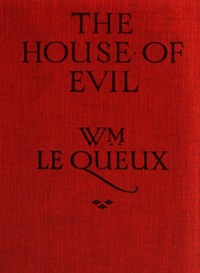
The house of evil
Written by William Le Queux
Chaptra reads alongside you — AI insights, chapter breakdowns and reader discussions for every book. Join free
About this book
Reading guide
Themes, characters and key ideas in The house of evil, written by Chaptra AI.
- about 8 hours
- intermediate
- mysterious
- suspenseful
- dramatic
William Le Queux's "The House of Evil" plunges readers into a world of early 20th-century suspense, intertwining mystery, romance, and social critique across British and Continental high society. The narrative begins with Leonard Lydon, a radio engineer, witnessing the tragic unraveling of his diplomat friend Hugh Craig's secret affair, culminating in a murder-suicide that leaves Leonard to piece together a dark past involving criminal intrigue. As Leonard grapples with this initial shock, he finds himself drawn into the seemingly respectable yet financially precarious world of the Stormont family, particularly through his burgeoning relationship with Gloria. The novel then expertly weaves these threads, revealing layers of deception, class tension, and the moral compromises made in the pursuit of wealth and reputation, ultimately forcing Leonard to confront the 'evil' lurking beneath society's polished surface.
“The shadows of the past, Leonard, they cling to us like a shroud, and sometimes, they demand a terrible price.”
Key themes
- Secrets and Deception
- This theme is central to the narrative, driving the plot from the initial murder-suicide of Hugh and Elise, whose lives are shrouded in hidden truths and criminal pasts. It extends to the Stormont family, where wealth and reputation are maintained through financial deception and veiled dealings. The novel explores how secrets can destroy individuals and families, and the corrosive effect of living a lie.
- Class and Social Strata
- The novel sharply contrasts the modest means of Leonard Lydon with the aristocratic background of Hugh Craig and the wealthy, yet troubled, Stormont family. It explores the tensions, expectations, and moral compromises inherent in different social classes, particularly highlighting the hypocrisy and corruption that can fester within the upper echelons of society.
- Love, Betrayal, and Loyalty
- These intertwined emotions are central to the characters' motivations and conflicts. Hugh's tragic act stems from a love entangled with betrayal and desperation. Leonard's loyalty to Hugh drives his investigation, while his developing relationship with Gloria tests his trust and emotional resolve. The theme explores how these powerful forces can lead to both profound connection and devastating consequences.
Worth discussing
How does the novel use the contrast between Leonard's modest background and the aristocratic world to highlight its themes?
Chapter-by-chapter breakdowns, character arcs and the full thematic analysis come with a free account.
Discussions
No one has started one yet
Questions this book opens up
No discussions yet
Be the first to start a discussion about this book!
Sign up to start the discussionReviews
No reviews yet
Be the first to review this book!