
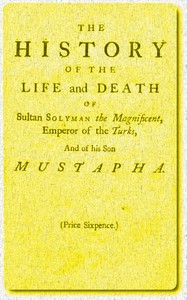
About this book
Reading guide
Themes, characters and key ideas in The History of the Life and Death of Sultan Solyman the Magnificent, Emperor of the Turks, and of His son Mustapha, written by Chaptra AI.
- about 8 hours
- intermediate
- Tragic
- Intriguing
- Historical
This early 18th-century historical account chronicles the tumultuous life and reign of Sultan Solyman I, the Magnificent, focusing on his military prowess, political intrigues, and complex family dynamics within the Ottoman Empire. The narrative vividly details Solyman's rise to power and his significant conquests, such as the sieges of Belgrade and Rhodes. Central to the story is the tragic fate of his son, Mustapha, whose position is jeopardized by the ambitions of Roxolana, Solyman's influential consort, who schemes to secure her own sons' succession. The book culminates in a heart-wrenching climax where Mustapha and his brother Zanger fall victim to court jealousy and fear, illustrating the deadly consequences of ambition, rivalry, and political maneuvering within the corridors of power.
“Thus did the Sultan, through fear and false counsel, extinguish the brightest flame of his lineage.”
Key themes
- Power and Ambition
- This theme is central, explored through Solyman's vast imperial power and the ruthless ambition of Roxolana. It examines how the pursuit and maintenance of power corrupt individuals and erode moral boundaries. The narrative demonstrates that absolute power, while enabling grand achievements, also fosters paranoia and invites treacherous internal struggles.
- Familial Betrayal and Rivalry
- The core emotional conflict of the book revolves around the betrayal and rivalry within Solyman's own family. It highlights how political ambition can poison the most fundamental human bonds, leading to devastating consequences. The relationship between Solyman and Mustapha, and Roxolana's role in severing it, is a profound exploration of this theme.
- The Nature of Leadership
- The book scrutinizes Solyman's leadership, examining the qualities that make a great ruler (military prowess, strategic thinking) versus the vulnerabilities that can undermine even the most powerful (susceptibility to manipulation, paranoia). It raises questions about the responsibility of a leader to their family, their people, and their own conscience.
Worth discussing
How does the book portray the balance between a ruler's public image and his private struggles?
Chapter-by-chapter breakdowns, character arcs and the full thematic analysis come with a free account.
Discussions
No one has started one yet
Questions this book opens up
No discussions yet
Be the first to start a discussion about this book!
Sign up to start the discussionReviews
No reviews yet
Be the first to review this book!