
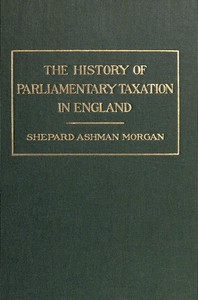
The History of Parliamentary Taxation in England
Written by Shepard Ashman Morgan
Not rated yet — tap a star to review it
Chaptra reads alongside you — AI insights, chapter breakdowns and reader discussions for every book. Join free
About this book
"The History of Parliamentary Taxation in England" by Shepard Ashman Morgan is a historical account written in the early 20th century. This work delves into the evolution of taxation in England from the time of the Anglo-Saxons through key events such as the Norman Conquest, the establishment of Magna Carta, and the gradual shift toward parliamentary control over taxation. The book explores the changing dynamics of authority regarding tax implementation, focusing on the transition from royal edict to parliamentary approval. The opening of the text provides insights into the early concepts of taxation during the Saxon period, indicating that this system relied on voluntary contributions based on loyalty rather than imposed taxes. It highlights how the king, with the consent of assemblies like the Witenagemot, established early forms of revenue collection, including extraordinary levies like the Danegeld during foreign threats. As the narrative progresses, it suggests that taxation became a critical aspect of governance, setting the stage for the controversies and developments that ultimately contributed to the establishment of parliamentary taxation in the centuries to come.
Reading guide
Themes, characters and key ideas in The History of Parliamentary Taxation in England, written by Chaptra AI.
A reading guide for this book hasn't been written yet. Chaptra builds one the first time a reader opens it.
Chapter-by-chapter breakdowns, character arcs and the full thematic analysis come with a free account.
Discussions
No one has started one yet
No discussions yet
Be the first to start a discussion about this book!
Sign up to start the discussionReviews
No reviews yet
Be the first to review this book!