
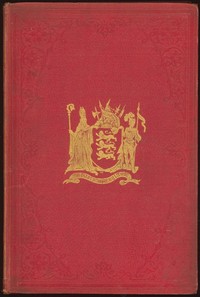
The History of England in Three Volumes, Vol. I., Part E.: From Charles I. to Cromwell
Written by David Hume
Chaptra reads alongside you — AI insights, chapter breakdowns and reader discussions for every book. Join free
About this book
Reading guide
Themes, characters and key ideas in The History of England in Three Volumes, Vol. I., Part E.: From Charles I. to Cromwell, written by Chaptra AI.
- about 8 hours
- advanced
- analytical
- somber
- authoritative
David Hume's "The History of England in Three Volumes, Vol. I., Part E." meticulously chronicles the tumultuous mid-17th century, focusing on the reign of Charles I and the subsequent rise of Oliver Cromwell. This volume delves into the profound constitutional and religious conflicts that precipitated the English Civil War, examining the escalating tensions between a monarch asserting divine right and a Parliament increasingly insistent on its liberties and authority. Hume dissects the political struggles, ideological shifts, and social upheavals that defined this critical era, ultimately leading to the execution of a king and the establishment of a republic. The work provides a detailed, analytical perspective on the origins of modern English governance, offering insights into the complex interplay of ambition, principle, and power dynamics.
“The spirit of faction, once kindled, seldom respects the dictates of reason or the ancient institutions of a kingdom.”
Key themes
- The Nature of Sovereignty and Power
- This theme explores the fundamental conflict over where ultimate political authority should reside: with the monarch by divine right, or with the people's representatives in Parliament. Hume meticulously details how this ideological clash drove the events of the Civil War, leading to radical reinterpretations of governance and the unprecedented execution of a king.
- The Causes and Consequences of Revolution
- Hume examines the complex interplay of factors—political, religious, social, and economic—that lead to widespread societal upheaval and armed conflict. He analyzes how grievances escalate, how compromise becomes impossible, and how revolutions, once started, often take on a life of their own, leading to unforeseen and radical outcomes.
- The Role of Religion in Politics
- The volume underscores the profound influence of religious belief and sectarian division on the political landscape of 17th-century England. Hume shows how conflicts between Anglicanism, Puritanism, and Scottish Presbyterianism were not merely theological but deeply intertwined with questions of state power, individual liberty, and national identity, fueling much of the animosity and violence.
Worth discussing
How does Hume's philosophical background influence his interpretation of the English Civil War?
Chapter-by-chapter breakdowns, character arcs and the full thematic analysis come with a free account.
Discussions
No one has started one yet
Questions this book opens up
No discussions yet
Be the first to start a discussion about this book!
Sign up to start the discussionReviews
No reviews yet
Be the first to review this book!