
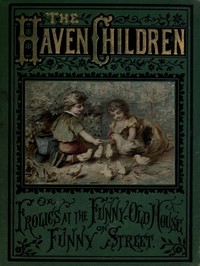
The Haven Children; or, Frolics at the Funny Old House on Funny Street
Written by Emilie Foster
Chaptra reads alongside you — AI insights, chapter breakdowns and reader discussions for every book. Join free
About this book
Reading guide
Themes, characters and key ideas in The Haven Children; or, Frolics at the Funny Old House on Funny Street, written by Chaptra AI.
- about 8 hours
- beginner
- uplifting
- humorous
- whimsical
Emilie Foster's 'The Haven Children' is a charming late 19th-century children's novel chronicling the whimsical adventures of the Haven family, particularly the spirited siblings Artie and Daisy, residing in their 'Funny Old House on Funny Street.' The narrative unfolds with a delightful blend of childhood innocence and boisterous escapades, from morning surprises in the nursery to playful interactions with a menagerie of pets. As the children prepare for a family trip to visit Aunt Emma in Providence, the story beautifully captures the essence of close-knit family bonds and the simple joys of youth. It is a heartwarming exploration of imagination, sibling affection, and the comforting familiarity of home, setting the stage for further adventures on their journey to the country.
“"Daisy, Daisy, wake up! There's a surprise in the nursery!" cried Artie, his voice bubbling with morning mischief.”
Key themes
- Childhood Innocence and Joy
- This theme is central to the novel, celebrating the unadulterated happiness, boundless imagination, and simple pleasures inherent in childhood. The narrative consistently portrays children as pure, curious beings whose world is filled with wonder and free from the complexities of adulthood.
- Family Bonds and Sibling Love
- The novel deeply explores the affectionate and supportive relationships within the Haven family, particularly between the siblings. It highlights the strength derived from mutual love, shared experiences, and the comfort of belonging to a close-knit unit.
- The Charm of Home and Simple Pleasures
- This theme celebrates the comfort, security, and endless possibilities for joy found within the domestic sphere and in everyday activities. The 'Funny Old House' is not just a setting but an active character, embodying the warmth and familiarity that nurtures the children's spirits.
Worth discussing
How does 'The Funny Old House on Funny Street' contribute to the overall mood and themes of the story?
Chapter-by-chapter breakdowns, character arcs and the full thematic analysis come with a free account.
Discussions
No one has started one yet
Questions this book opens up
No discussions yet
Be the first to start a discussion about this book!
Sign up to start the discussionReviews
No reviews yet
Be the first to review this book!