
About this book
Reading guide
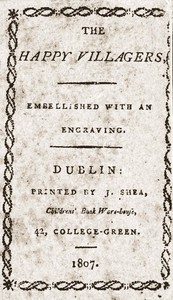
Themes, characters and key ideas in The happy villagers: Embellished with an engraving, written by Chaptra AI.
- about 8 hours
- intermediate
- uplifting
- peaceful
- reflective
Anonymous's "The Happy Villagers" is an early 19th-century pastoral narrative reflecting on the virtues of simple living and contentment. The story follows Mr. Jackson, a retired tradesman, who journeys to the Wicklow countryside in search of peace, disillusioned with urban complexities. He encounters a wise, elderly cottager whose tales of hard work, familial love, and community engagement profoundly impact him. Through their dialogue, Mr. Jackson learns to value the intrinsic joys of a well-lived life over material wealth and societal status, ultimately finding a deeper understanding of happiness in rural tranquility and human connection. The book serves as a didactic exploration of peace, contentment, and the fulfillment derived from a life intertwined with nature and community.
“True wealth lies not in coffers overflowing, but in a heart content and a family beloved.”
Key themes
- The Virtue of Simple Living and Contentment
- This is the central theme, advocating for a life free from the complexities and material pursuits of urban existence. It posits that true happiness is found not in wealth or status, but in appreciating basic necessities, hard work, and the natural world. The cottager's life serves as the primary example of this philosophy.
- Rural vs. Urban Life
- The narrative draws a stark contrast between the 'complexities' and implied superficiality of urban existence and the tranquility, authenticity, and moral clarity of rural life. The city is presented as a source of disillusionment, while the countryside offers solace and true values.
- True Happiness vs. Material Wealth
- This theme explores the idea that material possessions and societal status do not equate to genuine happiness. Through the cottager's example, the book argues that fulfillment comes from internal peace, meaningful relationships, and a contented spirit, rather than external riches.
Worth discussing
How does 'The Happy Villagers' define true happiness, and how does this definition contrast with modern societal views?
Chapter-by-chapter breakdowns, character arcs and the full thematic analysis come with a free account.
Discussions
No one has started one yet
Questions this book opens up
No discussions yet
Be the first to start a discussion about this book!
Sign up to start the discussionReviews
No reviews yet
Be the first to review this book!