
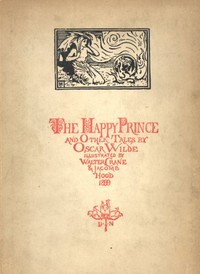
The Happy Prince, and Other Tales
Written by Oscar Wilde
Chaptra reads alongside you — AI insights, chapter breakdowns and reader discussions for every book. Join free
About this book
Reading guide
Themes, characters and key ideas in The Happy Prince, and Other Tales, written by Chaptra AI.
- about 8 hours
- intermediate
- melancholy
- poignant
- moralistic
Oscar Wilde's "The Happy Prince, and Other Tales" is a poignant collection of late 19th-century children's stories that transcend simple fables, offering profound moral lessons on love, sacrifice, and the often-harsh realities of human existence. Through richly symbolic narratives like "The Happy Prince," "The Nightingale and the Rose," and "The Selfish Giant," Wilde explores the stark contrast between superficial beauty and genuine compassion, critiquing societal indifference to suffering. Each tale, steeped in vivid imagery and lyrical prose, compels readers to reflect on the true meaning of generosity, empathy, and the redemptive power of selfless acts. The collection ultimately serves as a timeless meditation on the human spirit's capacity for both cruelty and profound goodness, emphasizing that true value lies not in material wealth but in the warmth of a compassionate heart.
“"I am waited for in Egypt," said the Swallow, "and the sun is warm on the green palm-trees, and the crocodiles lie in the mud and look lazily about them."”
Key themes
- Sacrifice and Selflessness
- This theme is central to the collection, particularly in "The Happy Prince" and "The Nightingale and the Rose." It explores the profound acts of giving up one's life, beauty, or possessions for the benefit of others, often without recognition or reward. Wilde highlights the spiritual richness derived from such acts, contrasting it with the emptiness of materialism.
- Social Injustice and Poverty
- Wilde uses his tales to expose the stark realities of poverty and social inequality prevalent in Victorian society. He critiques the indifference of the wealthy and powerful to the suffering of the less fortunate, highlighting the moral blindness that often accompanies material prosperity.
- Love and Empathy
- This theme explores the transformative power of genuine love and empathy, contrasting it with superficial affection or intellectual pursuits. It shows how love can inspire profound acts of kindness and even redemption, while its absence leads to coldness and isolation.
Worth discussing
How do the various tales in the collection critique Victorian society's values and priorities? Are these critiques still relevant today?
Chapter-by-chapter breakdowns, character arcs and the full thematic analysis come with a free account.
Discussions
No one has started one yet
Questions this book opens up
No discussions yet
Be the first to start a discussion about this book!
Sign up to start the discussionReviews
No reviews yet
Be the first to review this book!