
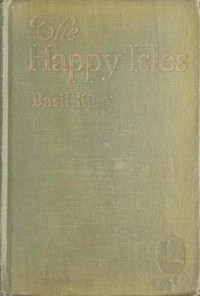
The Happy Isles
Written by Basil King
Chaptra reads alongside you — AI insights, chapter breakdowns and reader discussions for every book. Join free
About this book
Reading guide
Themes, characters and key ideas in The Happy Isles, written by Chaptra AI.
- about 8 hours
- intermediate
- poignant
- melancholy
- hopeful
Basil King's "The Happy Isles" is an early 20th-century novel that traces the profound journey of a young boy from an idyllic infancy into a life marked by hardship and neglect. Beginning with the perspective of an eight-month-old baby experiencing pure joy and comfort, the narrative quickly shifts to expose the harsh realities that transform his existence. The story delves into the complexities of childhood innocence, the stark contrast between early happiness and later suffering, and the intricate dynamics of human relationships, particularly through the lens of devoted yet struggling caregivers like Miss Nash. Ultimately, it promises a compelling exploration of resilience and the enduring human spirit in the face of profound adversity and societal challenges.
Key themes
- Innocence Lost and Childhood Adversity
- This theme explores the abrupt and often brutal transition from the protected, joyful state of early childhood to a life marked by suffering and hardship. It delves into how initial innocence is shattered by external circumstances and the psychological impact of such a dramatic shift on a developing individual.
- Resilience and Endurance of the Human Spirit
- Central to the boy's journey, this theme examines the capacity of individuals to cope with, adapt to, and overcome profound suffering and neglect. It highlights the inner strength and determination required to persist and find meaning even in the most challenging circumstances.
- The Complexities of Human Relationships
- The novel explores the intricate and often contradictory nature of human connections, particularly between caregivers and dependents. It delves into the nuances of love, duty, attachment, and the potential for both profound care and devastating neglect within these bonds.
Worth discussing
How does the novel's initial focus on the eight-month-old's perspective influence your emotional connection to the protagonist's later struggles?
Chapter-by-chapter breakdowns, character arcs and the full thematic analysis come with a free account.
Discussions
No one has started one yet
Questions this book opens up
No discussions yet
Be the first to start a discussion about this book!
Sign up to start the discussionReviews
No reviews yet
Be the first to review this book!