
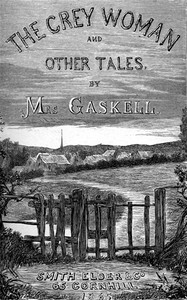
The Grey Woman and other Tales
Written by Elizabeth Cleghorn Gaskell
Chaptra reads alongside you — AI insights, chapter breakdowns and reader discussions for every book. Join free
About this book
Reading guide
Themes, characters and key ideas in The Grey Woman and other Tales, written by Chaptra AI.
- about 8 hours
- intermediate
- dark
- mysterious
- tense
Elizabeth Gaskell's "The Grey Woman and other Tales" is a compelling collection that masterfully blends domestic realism with gothic suspense, primarily exemplified by its titular story. The collection delves into the lives of women grappling with societal expectations, oppressive relationships, and the profound psychological impacts of trauma. Through narratives rich in atmosphere and character depth, Gaskell explores themes of fear, autonomy, and the secrets that can dictate a life. The opening tale, "The Grey Woman," sets a powerful tone, following Anna Scherer's harrowing escape from a dangerous marriage and her subsequent transformation, highlighting Gaskell's nuanced understanding of human vulnerability and resilience.
“"The colour fled from my cheeks, leaving behind not merely pallor, but the very hue of dread itself, and I became known as the Grey Woman."”
Key themes
- Female Autonomy and Oppression
- This theme is central to 'The Grey Woman,' exploring the limited agency and vulnerability of women in 19th-century society, particularly within the confines of marriage. Anna's story highlights how a woman could be legally and socially trapped by an oppressive husband, with little recourse. Her struggle for autonomy becomes a desperate fight for survival, emphasizing the societal structures that enabled such domestic tyranny.
- Fear and Psychological Torment
- Gaskell masterfully delves into the pervasive and debilitating nature of fear. Anna's journey is defined by a constant state of apprehension, dread, and psychological torment inflicted by her husband's unpredictable and sinister nature. The story explores how chronic fear can erode one's sense of self, warp perception, and leave lasting emotional scars, ultimately transforming Anna into 'The Grey Woman.'
- Secrets and Deception
- The narrative is steeped in secrets and deception, from M. de la Tourelle's hidden criminal life to Anna's clandestine escape plans. Secrets create an atmosphere of suspense and danger, driving much of the plot. They also highlight the duplicity of appearances and the hidden realities beneath polite society, underscoring the dangers of trusting charismatic but unknown individuals.
Worth discussing
How does Gaskell use the frame narrative in 'The Grey Woman' to enhance its themes and atmosphere?
Chapter-by-chapter breakdowns, character arcs and the full thematic analysis come with a free account.
Discussions
No one has started one yet
Questions this book opens up
No discussions yet
Be the first to start a discussion about this book!
Sign up to start the discussionReviews
No reviews yet
Be the first to review this book!