
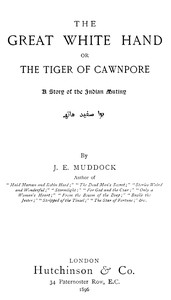
The Great White Hand; Or, the Tiger of Cawnpore: A story of the Indian Mutiny
Written by J. E. (Joyce Emmerson) Muddock
Chaptra reads alongside you — AI insights, chapter breakdowns and reader discussions for every book. Join free
About this book
Reading guide
Themes, characters and key ideas in The Great White Hand; Or, the Tiger of Cawnpore: A story of the Indian Mutiny, written by Chaptra AI.
- about 8 hours
- intermediate
- dark
- tense
- historical
J. E. Muddock's "The Great White Hand; Or, the Tiger of Cawnpore" is a dramatic historical novel set against the brutal backdrop of the Indian Mutiny of 1857. It plunges readers into the escalating tensions between British colonists and native Indian soldiers, focusing on the plight of young Englishman Walter Gordon and his betrothed, Flora Meredith. As the rebellion erupts from Meerut, the couple finds themselves embroiled in a desperate struggle for survival, navigating betrayal, prejudice, and the horrors of war. The narrative explores themes of duty, love, and the devastating impact of colonial conflict, culminating in the infamous events surrounding the 'Tiger of Cawnpore' (Nana Sahib).
“"The air itself seemed to hold its breath, pregnant with an unspoken dread that even the bravest among us could not wholly dismiss."”
Key themes
- Colonialism and its Discontents
- The novel directly addresses the tensions inherent in British colonial rule in India, exploring the resentment and violence that erupted during the Mutiny. It highlights the British inability or unwillingness to understand native sentiments, leading to catastrophic consequences. While presented from a colonial viewpoint, the theme implicitly critiques the fragile foundations of empire.
- Survival and Resilience
- At its core, the novel is a testament to the human will to survive against overwhelming odds. Walter and Flora's journey is a constant struggle for existence, forcing them to confront their deepest fears and discover inner strengths they never knew they possessed. It's a psychological exploration of how individuals cope with extreme trauma and loss.
- The Horrors of War and Rebellion
- Muddock does not shy away from depicting the brutal realities of the Indian Mutiny, including massacres, violence against civilians, and the general breakdown of civilized order. This theme serves as a stark warning about the destructive nature of conflict and rebellion, showcasing the human capacity for both cruelty and courage under extreme duress.
Worth discussing
How does the novel portray the causes and consequences of the Indian Mutiny from a British perspective?
Chapter-by-chapter breakdowns, character arcs and the full thematic analysis come with a free account.
Discussions
No one has started one yet
Questions this book opens up
No discussions yet
Be the first to start a discussion about this book!
Sign up to start the discussionReviews
No reviews yet
Be the first to review this book!