
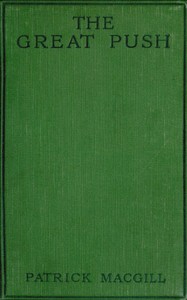
The Great Push: An Episode of the Great War
Written by Patrick MacGill
Chaptra reads alongside you — AI insights, chapter breakdowns and reader discussions for every book. Join free
About this book
Reading guide
Themes, characters and key ideas in The Great Push: An Episode of the Great War, written by Chaptra AI.
- about 8 hours
- intermediate
- grim
- poignant
- realistic
Patrick MacGill's "The Great Push: An Episode of the Great War" offers a raw, firsthand account of a soldier's experiences during World War I, particularly focusing on the harrowing Battle of Loos. Narrated from the perspective of a stretcher-bearer, the book immerses readers in the grim realities of trench warfare, from the arduous march to the frontline and the monotonous tasks of fortification to the terrifying anticipation and execution of a major offensive. Amidst the desolation and impending doom, MacGill masterfully portrays the profound bravery, unwavering camaraderie, and individual humanity of the soldiers, even as they confront the stark horrors and immense losses of combat. It stands as a vital historical document, illuminating the physical and psychological toll of war through deeply personal observation and reflection.
“We marched into the jaws of the great push, each step echoing the impending doom.”
Key themes
- The Brutality and Reality of War
- MacGill unflinchingly portrays the physical horrors and sensory overload of World War I, detailing the squalor of the trenches, the devastating power of weaponry, and the graphic nature of injuries and death. He strips away any romanticism, presenting war as a chaotic, destructive force that reduces human life to statistics and landscapes to desolate wastes.
- Camaraderie and Brotherhood
- Amidst the overwhelming horror, the deep bonds forged between soldiers emerge as a central theme. MacGill illustrates how shared hardship, mutual reliance, and moments of dark humor create an unbreakable sense of brotherhood that provides solace and purpose in an otherwise meaningless existence. This camaraderie is often the only thing that keeps the men going.
- Loss and Grief
- The narrative is steeped in a pervasive sense of loss, not only of life but also of innocence, hope, and humanity. The constant presence of death, the mourning for fallen comrades, and the desolation of the war-torn landscape contribute to an atmosphere of profound grief that affects both the soldiers and the reader.
Worth discussing
How does the protagonist's role as a stretcher-bearer uniquely shape his perception and portrayal of the war?
Chapter-by-chapter breakdowns, character arcs and the full thematic analysis come with a free account.
Discussions
No one has started one yet
Questions this book opens up
No discussions yet
Be the first to start a discussion about this book!
Sign up to start the discussionReviews
No reviews yet
Be the first to review this book!