
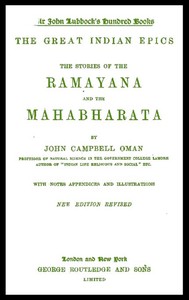
The Great Indian Epics : $b The Stories of the Ramayana and the Mahabharata
Written by Unknown author
Chaptra reads alongside you — AI insights, chapter breakdowns and reader discussions for every book. Join free
About this book
Reading guide
Themes, characters and key ideas in The Great Indian Epics : $b The Stories of the Ramayana and the Mahabharata, written by Chaptra AI.
- about 8 hours
- intermediate
- epic
- philosophical
- dramatic
This book, "The Great Indian Epics," serves as a concise introduction to the foundational narratives of the Ramayana and the Mahabharata, two of ancient India's most significant literary and cultural treasures. It distills the vast and intricate tales of gods, heroes, demons, and mortals, presenting their core plots, moral dilemmas, and philosophical underpinnings. The collection explores themes of dharma (righteous duty), karma, sacrifice, loyalty, and the devastating consequences of war, offering readers a gateway into the rich tapestry of Hindu mythology and ethical thought. As a compilation, it aims to make these complex narratives accessible, highlighting their enduring relevance to human experience and spiritual understanding.
“Dharma protects those who protect it.”
Key themes
- Dharma (Righteous Duty)
- Dharma is the foundational theme, representing cosmic order, righteousness, moral law, and one's prescribed duty. Characters in both epics constantly grapple with the complexities of adhering to dharma, often facing difficult choices between personal desires and ethical imperatives.
- Karma and Destiny
- Both epics illustrate the inexorable law of karma, where every action has consequences, and the interplay between human effort and predetermined destiny. Characters' past actions shape their present, and their current choices determine their future.
- The Nature of Good vs. Evil
- The epics present a clear, yet often nuanced, struggle between forces of good (represented by divine incarnations and righteous heroes) and evil (embodied by demons and avaricious antagonists). However, they also explore the shades of gray, where even 'good' characters make flawed decisions and 'evil' characters possess redeeming qualities.
Worth discussing
How do the concepts of dharma and karma influence the actions and fates of characters in both epics?
Chapter-by-chapter breakdowns, character arcs and the full thematic analysis come with a free account.
Discussions
No one has started one yet
Questions this book opens up
No discussions yet
Be the first to start a discussion about this book!
Sign up to start the discussionReviews
No reviews yet
Be the first to review this book!