
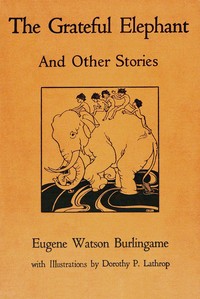
The grateful elephant : $b And other stories translated from the Pāli
Written by Eugene Watson Burlingame
Chaptra reads alongside you — AI insights, chapter breakdowns and reader discussions for every book. Join free
About this book
Read it with a club
Small groups reading the same books and talking as they go.


News
- 4 members
- 1,813 discussions
- Active Sep 11
Read The grateful elephant : $b And other stories translated from the Pāli alongside people who are reading it too.
Also here: News Bulletin, Just Joking....
Chaptra Prime — paid clubs, every club feature, and unlimited reading support, for $5 a month or $60 once.
See PrimeReading guide
Themes, characters and key ideas in The grateful elephant : $b And other stories translated from the Pāli, written by Chaptra AI.
- about 7 hours
- intermediate
- uplifting
- reflective
- didactic
Eugene Watson Burlingame's "The Grateful Elephant" is a collection of twenty-six translated Buddhist parables from Pāli texts, published in the early 20th century. These stories primarily serve as moral and religious instruction, emphasizing virtues such as gratitude, compassion, loyalty, and the universal consequences of actions. The titular Grateful Elephant recurs throughout the collection, symbolizing unwavering goodwill and selflessness, often in the face of human ingratitude. Through its episodic narratives, the book explores the cycles of life, the nature of trust, and the recognition of good deeds across various forms, reflecting deep ethical and philosophical insights attributed to the Buddha.
“True gratitude is not measured by the gift, but by the heart of the giver, and the unwavering loyalty that follows.”
Key themes
- Gratitude and Ingratitude
- This is the central theme of the collection. The stories repeatedly explore the profound virtue of gratitude, exemplified by the Grateful Elephant's unwavering loyalty and service in return for a past kindness. Conversely, the destructive nature of ingratitude, often leading to suffering and karmic retribution, is also vividly portrayed, highlighting the moral imperative to acknowledge and repay good deeds.
- Compassion and Selflessness
- Many parables emphasize the virtue of compassion, extending kindness and understanding to all beings, as well as the practice of selflessness, putting the needs of others before one's own. The Grateful Elephant is the primary embodiment of these qualities, demonstrating how acts of unselfish love and empathy can transform situations and alleviate suffering.
- Karma and Consequences
- Underlying all the parables is the concept of karma, the principle that every action, thought, and word has corresponding effects that will eventually return to the doer. The stories serve as clear illustrations of this law, demonstrating how good deeds lead to positive outcomes and negative actions inevitably result in suffering or misfortune, often in unexpected ways.
Worth discussing
How do the stories in 'The Grateful Elephant' define true gratitude, and what are the consequences of ingratitude?
Chapter-by-chapter breakdowns, character arcs and the full thematic analysis come with a free account.
Discussions
No one has started one yet
Questions this book opens up
No discussions yet
Be the first to start a discussion about this book!
Sign up to start the discussionReviews
No reviews yet
Be the first to review this book!