
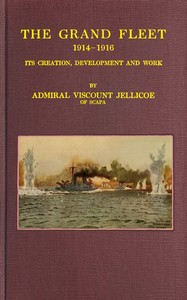
The Grand Fleet, 1914-1916 : $b its creation, development and work
Written by John Rushworth Jellicoe
Chaptra reads alongside you — AI insights, chapter breakdowns and reader discussions for every book. Join free
About this book
Reading guide
Themes, characters and key ideas in The Grand Fleet, 1914-1916 : $b its creation, development and work, written by Chaptra AI.
- about 15 hours
- advanced
- Historical
- Strategic
- Authoritative
Admiral Viscount Jellicoe's "The Grand Fleet, 1914-1916" offers a seminal first-person account of the Royal Navy's primary fighting force during the initial, pivotal years of World War I. Chronicling his appointment as Commander-in-Chief and the fleet's subsequent creation, development, and operational challenges, Jellicoe provides an insider's perspective on naval strategy, technological evolution, and the immense burden of command. The work meticulously details the organizational complexities and strategic dilemmas faced by the Grand Fleet, culminating in the critical period surrounding the Battle of Jutland. It stands as an indispensable primary source for understanding the strategic landscape and the evolving nature of naval warfare during this epochal conflict.
“The weight of responsibility for the nation's very existence rested heavily upon the Grand Fleet and its commander.”
Key themes
- Leadership and Command
- The book is fundamentally a study in leadership, specifically the immense pressures and responsibilities of commanding a national asset like the Grand Fleet during wartime. Jellicoe details the strategic decision-making process, the challenges of managing a vast organization, maintaining morale, and adapting to unforeseen circumstances, all while bearing the weight of national security.
- Technological Change and Warfare
- A central theme is the profound impact of new naval technologies – dreadnoughts, submarines, torpedoes, and mines – on strategy, tactics, and the very nature of sea warfare. Jellicoe's account highlights how these innovations rendered old doctrines obsolete and demanded constant adaptation, presenting both opportunities and unprecedented dangers.
- Naval Strategy and Doctrine
- The book delves into the core tenets of British naval strategy during WWI, particularly the 'distant blockade' and the 'fleet in being' concepts. Jellicoe articulates the strategic imperative of controlling sea lanes, protecting trade, and containing the German High Seas Fleet, often balancing the desire for a decisive battle with the need to preserve the Royal Navy's numerical superiority.
Worth discussing
Discuss the unique challenges and responsibilities of commanding a fleet like the Grand Fleet during a major war.
Chapter-by-chapter breakdowns, character arcs and the full thematic analysis come with a free account.
Discussions
No one has started one yet
Questions this book opens up
No discussions yet
Be the first to start a discussion about this book!
Sign up to start the discussionReviews
No reviews yet
Be the first to review this book!