
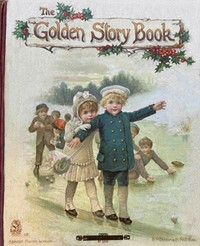
The golden story book
Written by George Manville Fenn,G. A. (George Alfred) Henty,Evelyn Everett-Green,May Byron,D. H. Parry,Lilian Gask,G. R. (Geraldine Robertson) Glasgow,Sheila Braine,L. L. (Lucy L.) Weedon
Chaptra reads alongside you — AI insights, chapter breakdowns and reader discussions for every book. Join free
About this book
Reading guide
Themes, characters and key ideas in The golden story book, written by Chaptra AI.
- about 8 hours
- intermediate
- adventurous
- heroic
- moralistic
"The Golden Story Book" is a late 19th-century anthology featuring short stories imbued with adventure, moral lessons, and themes of bravery and personal growth. Compiled by a host of prominent authors of the era, including G.A. Henty and L.L. Weedon, the collection aims to entertain and educate its young readership. The opening tale, "How Jean Became a Soldier," exemplifies the book's spirit, detailing a young boy's courageous journey to warn the English general of a French officer's impending threat, ultimately leading to his enlistment. This collection likely served as a didactic tool, instilling virtues of duty, loyalty, and resilience through thrilling narratives set against historical backdrops.
“"Though but a boy, Jean knew that duty called him to a task far greater than his years."”
Key themes
- Bravery and Courage
- This theme is central to the collection, particularly exemplified by Jean le Grand's journey. It explores courage not just in physical acts of daring, but also in moral fortitude, making difficult choices, and facing personal fears for a greater good. The stories likely highlight how ordinary individuals can rise to extraordinary challenges.
- Duty and Loyalty
- The collection strongly emphasizes the importance of duty, whether to family, country, or a moral code. Jean's story directly confronts the conflict between familial loyalty and national duty, ultimately prioritizing the latter. This theme would have resonated strongly in a period where patriotism and service were highly valued.
- Moral Lessons and Virtue
- As a late 19th-century children's anthology, the book explicitly aims to teach moral lessons. These often revolve around honesty, integrity, self-sacrifice, and the consequences of good versus bad actions. The narratives serve as parables, guiding young readers toward virtuous behavior and ethical decision-making.
Worth discussing
How does Jean's decision to warn the English general reflect his understanding of loyalty and duty, especially given his father's betrayal?
Chapter-by-chapter breakdowns, character arcs and the full thematic analysis come with a free account.
Discussions
No one has started one yet
Questions this book opens up
No discussions yet
Be the first to start a discussion about this book!
Sign up to start the discussionReviews
No reviews yet
Be the first to review this book!