
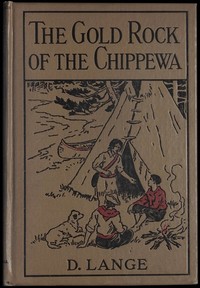
The gold rock of the Chippewa
Written by D. (Dietrich) Lange
Chaptra reads alongside you — AI insights, chapter breakdowns and reader discussions for every book. Join free
About this book
Reading guide
Themes, characters and key ideas in The gold rock of the Chippewa, written by Chaptra AI.
- about 8 hours
- intermediate
- Adventurous
- Tense
- Exploratory
Set in the late 18th century, "The Gold Rock of the Chippewa" is a historical adventure novel chronicling the journey of two young Americans, Bruce and Ray Henley, through the untamed wilderness surrounding Lake Superior in 1775. Their quest to find Bruce's lost friend quickly thrusts them into the complex world of the Chippewa tribe, where they face a perilous council decision balancing vengeance and hospitality. Adopted by the tribe, the brothers embark on a challenging expedition across the vast lake, learning to navigate both the natural dangers of the frontier and the intricate cultural dynamics of their new companions. The narrative explores themes of survival, inter-cultural understanding, and the enduring power of friendship amidst a backdrop of potential conflict and breathtaking natural beauty.
“"The cold waters of Gichigami hold secrets deeper than any man can fathom, and dangers colder than any winter wind."”
Key themes
- Cultural Encounter and Understanding
- This is a primary theme, exploring the complexities of interaction between different cultures. The initial tension in the Chippewa council, where the American visitors are viewed with suspicion, highlights the challenges. Their subsequent adoption and journey offer a pathway toward mutual learning, respect, and potentially bridging cultural divides, albeit with underlying dangers from those who resist such understanding.
- Bravery and Survival
- This theme is central to the adventure narrative, as Bruce and Ray Henley must constantly display courage in the face of the unknown wilderness, challenging weather conditions on Lake Superior, and the potential threats from both nature and human conflict. Their survival depends on their adaptability, resourcefulness, and mental fortitude.
- Vengeance vs. Hospitality
- This theme is personified by the conflict between Hamogeesik, who seeks retribution for past wrongs committed by 'white-faced strangers,' and Ganawa, who advocates for adherence to tribal traditions of welcoming guests. This moral dilemma forms a significant tension point, exploring the human capacity for both forgiveness and resentment, and the choices communities make in response to perceived threats.
Worth discussing
How does the novel portray the conflict between Hamogeesik and Ganawa, and what does it suggest about different responses to outsiders during that historical period?
Chapter-by-chapter breakdowns, character arcs and the full thematic analysis come with a free account.
Discussions
No one has started one yet
Questions this book opens up
No discussions yet
Be the first to start a discussion about this book!
Sign up to start the discussionReviews
No reviews yet
Be the first to review this book!