
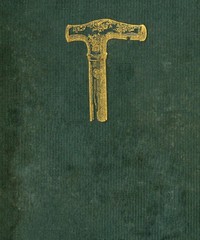
The Gold-Headed Cane
Written by William Macmichael
Chaptra reads alongside you — AI insights, chapter breakdowns and reader discussions for every book. Join free
About this book
Reading guide
Themes, characters and key ideas in The Gold-Headed Cane, written by Chaptra AI.
- about 8 hours
- advanced
- historical
- reflective
- informative
William Macmichael's "The Gold-Headed Cane" is a unique medical biography that chronicles the evolution of medicine through the "autobiography" of a cane passed down among eminent British physicians. Starting with Dr. John Radcliffe, the cane serves as a first-person narrator, recounting the lives, practices, and contributions of its successive owners, including Dr. Mead. This narrative device offers an intimate glimpse into the medical knowledge, societal customs, and personal traits of these influential figures from the late 17th to the early 19th centuries. The book explores themes of medical legacy, the changing landscape of medical practice, and the enduring impact of scientific inquiry, all framed by the cane's reflective perspective on its transition from a tool of practice to a historical artifact.
“"From the dark recesses of my present abode, I reflect upon a life once vibrant with purpose, now but a relic of forgotten hands."”
Key themes
- The Evolution of Medical Practice
- The central theme, explored through the successive owners of the cane. It illustrates the shift from empirical, often intuitive methods of the late 17th century to a more systematic, scholarly, and scientifically informed approach in the 18th and early 19th centuries, showcasing changes in diagnosis, treatment, and understanding of disease.
- Legacy and Immortality
- Explored through the enduring impact of the physicians' contributions and the cane's role in preserving their stories. The cane, as an artifact, ensures that the lives and work of its owners are not forgotten, creating a form of immortality through historical record and influence.
- The Role of Objects as Witnesses and Narrators
- The most distinctive literary theme, where an inanimate object is given agency and voice to tell a human story. This allows for an objective, yet intimately observed, perspective on historical events and personalities, freeing the narrative from human biases and offering a unique form of historical documentation.
Worth discussing
How does the narrative device of the gold-headed cane as narrator influence your understanding and engagement with the historical material?
Chapter-by-chapter breakdowns, character arcs and the full thematic analysis come with a free account.
Discussions
No one has started one yet
Questions this book opens up
No discussions yet
Be the first to start a discussion about this book!
Sign up to start the discussionReviews
No reviews yet
Be the first to review this book!