
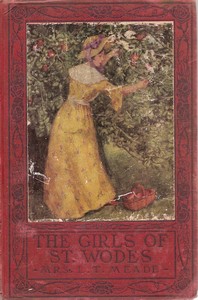
The Girls of St. Wode's
Written by L. T. Meade
Chaptra reads alongside you — AI insights, chapter breakdowns and reader discussions for every book. Join free
About this book
Reading guide
Themes, characters and key ideas in The Girls of St. Wode's, written by Chaptra AI.
- about 8 hours
- intermediate
- aspirational
- social commentary
- coming-of-age
L. T. Meade's 'The Girls of St. Wode's' is a late 19th-century novel chronicling the transition of twin sisters Eileen and Marjorie Chetwynd, and their cousin Letitia, from school life to the societal expectations of their debut. The narrative sharply contrasts the traditional ambitions of their mother, Mrs. Chetwynd, who desires a high society debut for her daughters, with the young women's burgeoning desires for independence, higher education at St. Wode's College, and lives beyond conventional domesticity. This coming-of-age story explores the burgeoning 'New Woman' ideals, challenging prevailing notions of female roles and advocating for individual choice and intellectual pursuits over mere social standing. It ultimately portrays the struggles and triumphs of young women striving to forge their own paths in a rapidly changing world.
“"A woman's mind, mother, is surely meant for more than the embroidery of drawing-room conversation."”
Key themes
- Modernity vs. Tradition
- This theme is the central conflict of the novel, pitting the entrenched Victorian expectations of women's roles (embodied by Mrs. Chetwynd) against the emerging ideals of the 'New Woman' and individual autonomy (represented by Eileen and Marjorie). It explores the generational divide and the societal shifts occurring in the late 19th century.
- Female Education and Empowerment
- The novel strongly advocates for the intellectual development of women as a means to personal empowerment and independence. It critiques the limited educational opportunities traditionally afforded to women and champions institutions like St. Wode's College as vital for women to achieve their full potential.
- Individual Choice vs. Societal Expectations
- This theme explores the tension between an individual's aspirations and the pressures exerted by society and family to conform to established norms. The protagonists struggle to assert their personal desires for independence and intellectual fulfillment in the face of their mother's societal ambitions.
Worth discussing
How does 'The Girls of St. Wode's' reflect the societal changes and challenges faced by women in the late 19th century?
Chapter-by-chapter breakdowns, character arcs and the full thematic analysis come with a free account.
Discussions
No one has started one yet
Questions this book opens up
No discussions yet
Be the first to start a discussion about this book!
Sign up to start the discussionReviews
No reviews yet
Be the first to review this book!