
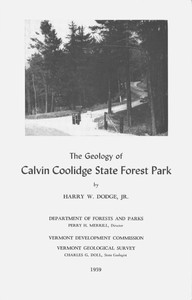
The Geology of Calvin Coolidge State Forest
Written by Harry W. Dodge
Chaptra reads alongside you — AI insights, chapter breakdowns and reader discussions for every book. Join free
About this book
Reading guide
Themes, characters and key ideas in The Geology of Calvin Coolidge State Forest, written by Chaptra AI.
- about 12 hours
- advanced
- informative
- analytical
- objective
Harry W. Dodge's "The Geology of Calvin Coolidge State Forest" is a specialized non-fiction work that systematically documents the geological features, formations, and history of the designated area in Vermont. It serves as a comprehensive resource for geologists, environmental scientists, and land managers, detailing aspects such as bedrock geology, surficial deposits, hydrological systems, and mineral resources. The book provides a foundational understanding of the landscape's evolution, influenced by ancient geological processes and more recent glacial activity. Its primary purpose is to inform conservation efforts, land use planning, and scientific research within the state forest, establishing a critical baseline for understanding the region's natural heritage.
“The bedrock geology of the Calvin Coolidge State Forest is primarily composed of metasedimentary and metavolcanic rocks, reflecting a complex history of oceanic and continental collision during the Taconic and Acadian orogenies.”
Key themes
- Geological History and Evolution
- This theme explores the deep time narrative of the Calvin Coolidge State Forest, detailing the ancient tectonic events, sedimentation, metamorphism, and igneous activity that formed the bedrock, as well as the more recent and profound impacts of glacial cycles. It traces the geological processes that sculpted the landscape over millions of years into its present form.
- Geomorphology and Landscape Dynamics
- This theme explores the study of landforms and the processes that create and modify them within the Calvin Coolidge State Forest. It delves into how geological structures, weathering, erosion, and depositional processes interact to produce the diverse topography, drainage patterns, and soil types observed today, highlighting the dynamic nature of the landscape.
- Resource Identification and Management
- This theme focuses on the identification and assessment of natural resources within the forest, including aggregates, potential mineral deposits, and groundwater. It examines how geological understanding informs the sustainable management and conservation of these resources, balancing economic potential with ecological preservation.
Worth discussing
How does the geological history of Calvin Coolidge State Forest influence its current biodiversity and ecological systems?
Chapter-by-chapter breakdowns, character arcs and the full thematic analysis come with a free account.
Discussions
No one has started one yet
Questions this book opens up
No discussions yet
Be the first to start a discussion about this book!
Sign up to start the discussionReviews
No reviews yet
Be the first to review this book!