
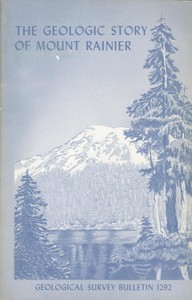
The Geologic Story of Mount Rainier: A look at the geologic past of one of America's most scenic volcanoes
Written by Dwight R. (Dwight Raymond) Crandell
Chaptra reads alongside you — AI insights, chapter breakdowns and reader discussions for every book. Join free
About this book
Reading guide
Themes, characters and key ideas in The Geologic Story of Mount Rainier: A look at the geologic past of one of America's most scenic volcanoes, written by Chaptra AI.
- about 8 hours
- intermediate
- informative
- analytical
- descriptive
Dwight R. Crandell's "The Geologic Story of Mount Rainier" provides a detailed scientific examination of one of America's most iconic volcanoes. Published in the late 20th century, this work meticulously traces Mount Rainier's geological evolution over millions of years, detailing the forces that shaped its majestic landscape. The book comprehensively covers periods of intense volcanic activity, the profound erosional and depositional impacts of glaciers, and the destructive yet formative roles of landslides and mudflows. Through clear descriptions and illustrative materials, Crandell demystifies the complex geological processes, offering readers a deep understanding of the scientific underpinnings of Mount Rainier's dynamic environment and breathtaking beauty.
“Mount Rainier, a volcano of immense scale and dynamic history, stands as a testament to the powerful forces shaping our planet.”
Key themes
- Volcanic Formation and Evolution
- This theme explores the cyclical processes of magma generation, eruption, and edifice building that led to the creation and growth of Mount Rainier. It covers different types of eruptions, the composition of lava flows, and the sequential layering of volcanic materials over geological timescales.
- Glacial Sculpting and Erosion
- This theme details the significant role of glaciers in shaping Mount Rainier's landscape. It covers glacial advances and retreats, their erosional power in carving valleys and cirques, and their depositional effects, such as moraines and outwash plains, highlighting the interplay between ice and rock.
- Dynamic Earth Processes and Hazards
- This theme encompasses the continuous, often violent, geological processes that shape Mount Rainier, including not only volcanic eruptions and glaciation but also landslides, mudflows (lahars), and seismic activity. It underscores the idea that the Earth's surface is constantly changing and that these processes pose significant natural hazards.
Worth discussing
How does understanding the geological history of Mount Rainier enhance one's appreciation of its current landscape?
Chapter-by-chapter breakdowns, character arcs and the full thematic analysis come with a free account.
Discussions
No one has started one yet
Questions this book opens up
No discussions yet
Be the first to start a discussion about this book!
Sign up to start the discussionReviews
No reviews yet
Be the first to review this book!