
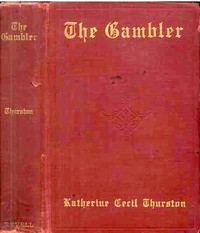
The Gambler: A Novel
Written by Katherine Cecil Thurston
Chaptra reads alongside you — AI insights, chapter breakdowns and reader discussions for every book. Join free
About this book
Reading guide
Themes, characters and key ideas in The Gambler: A Novel, written by Chaptra AI.
- about 8 hours
- intermediate
- melancholic
- introspective
- dramatic
Katherine Cecil Thurston's "The Gambler: A Novel" delves into the intricate dynamics of a long-standing friendship, personal decline, and cultural identity in early 20th-century Ireland. The story follows James Milbanke, an English archaeologist, as he journeys to reconnect with his old friend, Denis Asshlin, only to find him embroiled in a destructive gambling addiction. As Milbanke observes the unraveling of Asshlin's life and the struggles of his daughters, Clodagh and Nance, he grapples with his own changing perspectives and the complexities of loyalty. The novel weaves together themes of nostalgia, the corrosive nature of addiction, and the poignant contrasts between English and Irish sensibilities, culminating in a dramatic exploration of human frailty and resilience.
“The journey, much like memory, was a tapestry woven with threads of grey and the persistent, melancholic patter of rain.”
Key themes
- Gambling and Addiction
- This is the central theme, epitomized by Denis Asshlin. The novel meticulously explores the destructive nature of addiction, not only on the individual's finances and reputation but also on their character, relationships, and the well-being of their family. It delves into the psychological grip of the compulsion and the difficulty of escape, portraying it as a force that corrupts and isolates.
- Friendship and Loyalty
- The enduring friendship between James Milbanke and Denis Asshlin forms the emotional backbone of the novel. It explores the complexities of loyalty when one friend is in a self-destructive spiral, testing the limits of support, intervention, and the pain of witnessing a loved one's decline. Milbanke's internal conflict regarding his responsibilities to Asshlin is central.
- Nostalgia and Personal Change
- Milbanke's journey is heavily influenced by nostalgia for his past with Asshlin. The novel contrasts idealized memories with the harsh realities of the present, exploring how individuals change over time and how those changes impact perception and relationships. It highlights the bittersweet nature of looking back and the necessity of adapting to evolving circumstances.
Worth discussing
How does Milbanke's initial nostalgia for his friendship with Asshlin evolve throughout the novel, and what does this say about the nature of memory and change?
Chapter-by-chapter breakdowns, character arcs and the full thematic analysis come with a free account.
Discussions
No one has started one yet
Questions this book opens up
No discussions yet
Be the first to start a discussion about this book!
Sign up to start the discussionReviews
No reviews yet
Be the first to review this book!