
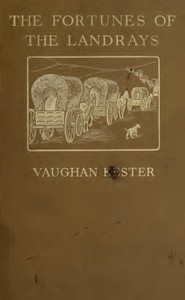
The Fortune of the Landrays
Written by Vaughan Kester
Chaptra reads alongside you — AI insights, chapter breakdowns and reader discussions for every book. Join free
About this book
Reading guide
Themes, characters and key ideas in The Fortune of the Landrays, written by Chaptra AI.
- about 10 hours
- intermediate
- nostalgic
- aspirational
- melancholic
Vaughan Kester's "The Fortune of the Landrays" embarks on a poignant journey with Truman Rogers, who, after two decades, returns to his childhood home of Benson with his young son, Benny. Driven by the promise of wealth from the California gold rush, Truman grapples with the stark contrast between his nostalgic memories and the changed reality of his hometown. The narrative meticulously explores themes of aspiration, the weight of the past, and the complex dynamics of a father-son relationship, setting the stage for a compelling exploration of dreams pursued and realities confronted. It captures the melancholic beauty of longing for a better future while acknowledging the losses incurred over time, making for a deeply reflective tale of homecoming and ambition.
“"Twenty years away, and the dust of the road still tasted of the past, though the landmarks themselves had betrayed every memory."”
Key themes
- Aspiration and the American Dream
- This theme centers on Truman's fervent belief in the promise of the California gold rush as a means to achieve wealth and a better life for his son. It explores the enduring power of the American Dream, often tied to material success, but also questions its true cost and whether it truly brings happiness or fulfillment.
- Nostalgia vs. Reality
- This theme explores the clash between Truman's idealized memories of his hometown, Benson, and the stark, often disappointing, reality of its changed landscape and social fabric upon his return. It delves into how memory distorts the past and how difficult it is to truly 'go home again' after a long absence.
- Father-Son Relationship and Legacy
- The bond between Truman and his son, Benny, forms the emotional core of the novel. It explores the responsibilities of fatherhood, the desire to provide a better life for one's children, and how parental dreams and struggles are often projected onto the next generation. It also examines how a child's innocence and hope can provide strength and perspective to a weary parent.
Worth discussing
How does Truman's perception of Benson differ from its reality, and what does this say about the nature of nostalgia?
Chapter-by-chapter breakdowns, character arcs and the full thematic analysis come with a free account.
Discussions
No one has started one yet
Questions this book opens up
No discussions yet
Be the first to start a discussion about this book!
Sign up to start the discussionReviews
No reviews yet
Be the first to review this book!