
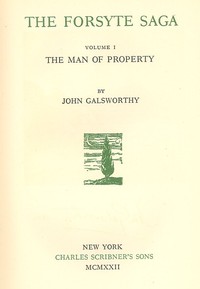
The Forsyte Saga - Complete
Written by John Galsworthy
Chaptra reads alongside you — AI insights, chapter breakdowns and reader discussions for every book. Join free
About this book
Reading guide
Themes, characters and key ideas in The Forsyte Saga - Complete, written by Chaptra AI.
- about 60 hours
- advanced
- observant
- melancholic
- social commentary
John Galsworthy's 'The Forsyte Saga - Complete' chronicles the lives of the wealthy, upper-middle-class Forsyte family across several generations, primarily from the late Victorian era into the post-World War I period. At its heart, the saga is a penetrating study of property, possessiveness, and the clash between material security and individual freedom, often personified through the complex relationships and internal conflicts of its members. The narrative intricately weaves together themes of social change, the evolving nature of love and marriage, and the inherent tensions between convention and artistic spirit. Through characters like the stoic Soames Forsyte and the enigmatic Irene, Galsworthy paints a vivid portrait of an English society grappling with modernity, tradition, and the enduring human desire for both stability and liberation.
“A Forsyte, you know, never gives himself away.”
Key themes
- Property and Possessiveness
- This is the central, defining theme of the saga. Galsworthy explores how the Forsyte family's identity is inextricably linked to their ownership of property – houses, land, money, and even people. Possessiveness is depicted not just as a material desire but as a psychological trait, influencing love, marriage, and personal freedom. It's shown to be both a source of security and a destructive force that stifles beauty and genuine human connection.
- Generational Conflict and Social Change
- The saga vividly portrays the clash between the rigid Victorian values of the elder Forsytes and the more liberal, individualistic sensibilities of the younger generations. It tracks the gradual erosion of traditional social structures, gender roles, and moral codes from the late 19th century through the early 20th century. This theme highlights how society adapts (or resists adaptation) to new ideas about love, art, and personal freedom.
- Love, Marriage, and Freedom
- Galsworthy deeply explores the complexities of love and marriage, often contrasting 'true love' (based on mutual affection and freedom) with marriages of convenience, duty, or possessiveness. The saga questions the nature of commitment, fidelity, and the right to individual happiness within the confines of societal expectations and legal bonds. It highlights how the desire for freedom can clash with the perceived ownership within marital relationships.
Worth discussing
How does Galsworthy define 'property' throughout the saga, and how does this definition evolve or remain static across generations?
Chapter-by-chapter breakdowns, character arcs and the full thematic analysis come with a free account.
Discussions
No one has started one yet
Questions this book opens up
No discussions yet
Be the first to start a discussion about this book!
Sign up to start the discussionReviews
No reviews yet
Be the first to review this book!