
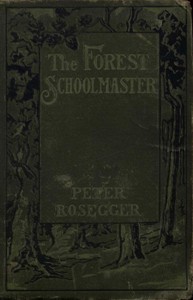
The Forest Schoolmaster
Written by Peter Rosegger
Chaptra reads alongside you — AI insights, chapter breakdowns and reader discussions for every book. Join free
About this book
Reading guide
Themes, characters and key ideas in The Forest Schoolmaster, written by Chaptra AI.
- about 8 hours
- intermediate
- reflective
- pastoral
- introspective
Peter Rosegger's "The Forest Schoolmaster" immerses readers in the late 19th-century Austrian Alps, following a new schoolmaster's journey to a remote village named Winkelsteg. The narrative vividly portrays the rugged beauty of nature, contrasting it with the simplicity and challenges of rural life. As the protagonist grapples with educating local children and navigating the diverse personalities of the villagers, he confronts themes of isolation, duty, and the search for purpose. The story intertwines his personal introspection with the gradual integration into a close-knit community, all while an underlying mystery about his predecessor adds a layer of intrigue to this contemplative tale of transformation.
“The forest does not merely surround us; it breathes into our souls, shaping the very rhythm of our lives.”
Key themes
- Nature and Human Connection
- The profound and inescapable influence of the Austrian Alps on the characters' lives, spirits, and worldview. Nature is depicted as both a source of rugged beauty and harsh challenges, shaping the villagers' resilience and the schoolmaster's introspection. It serves as a constant companion and a teacher, providing both solace and stark reality.
- Community and Belonging
- This theme examines the journey of an outsider seeking acceptance and integration into a close-knit, self-sufficient, and often wary community. It explores the dynamics of rural social structures, the importance of trust, shared experiences, and mutual support in forging a sense of home and identity.
- Education and Enlightenment
- The novel explores the challenges and triumphs of bringing formal education to a remote community. It delves into the schoolmaster's belief in education as a transformative force, not just for acquiring knowledge but for fostering moral development, critical thinking, and a broader understanding of the world, contrasting it with traditional, practical wisdom.
Worth discussing
How does the natural environment of Winkelsteg influence the personalities and values of its inhabitants, including the schoolmaster?
Chapter-by-chapter breakdowns, character arcs and the full thematic analysis come with a free account.
Discussions
No one has started one yet
Questions this book opens up
No discussions yet
Be the first to start a discussion about this book!
Sign up to start the discussionReviews
No reviews yet
Be the first to review this book!