
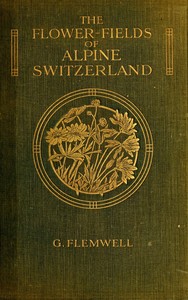
The Flower-Fields of Alpine Switzerland: An Appreciation and a Plea
Written by G. (George) Flemwell
Chaptra reads alongside you — AI insights, chapter breakdowns and reader discussions for every book. Join free
About this book
Reading guide
Themes, characters and key ideas in The Flower-Fields of Alpine Switzerland: An Appreciation and a Plea, written by Chaptra AI.
- about 8 hours
- intermediate
- appreciative
- reflective
- didactic
G. Flemwell's "The Flower-Fields of Alpine Switzerland" is an early 20th-century masterpiece that marries botanical appreciation with artistic sensibility, offering a vivid portrayal of the Swiss Alps' diverse flora. Through rich descriptions and illustrations, Flemwell guides readers through the seasonal transformation of Alpine meadows, with a particular emphasis on the vibrant, fleeting beauty of spring blooms like the Vernal Gentian and Crocus. More than just a descriptive guide, the book serves as a heartfelt 'plea' for the preservation of these delicate ecosystems against the backdrop of nascent tourism, urging readers to foster a deeper connection and respect for nature. It encourages both direct experience of these natural wonders and their thoughtful replication in personal gardens, blending an author's personal passion with an urgent call to environmental stewardship. The work stands as a testament to the enduring allure of Alpine landscapes and the critical need for their protection.
“Oh, to witness the Vernal Gentian's sapphire blaze, or the Crocus's shy awakening, is to touch the very heart of spring's fleeting miracle.”
Key themes
- Conservation and Environmental Stewardship
- The 'plea' aspect of the book directly addresses the urgent need for preserving the delicate Alpine ecosystems. Flemwell expresses a blend of pride in the natural beauty and concern over the potential negative impacts of increasing human activity, particularly tourism. This theme advocates for responsible interaction with nature and highlights the human duty to protect vulnerable environments for future generations.
- Beauty and Transience of Nature
- This theme is central to Flemwell's 'appreciation,' focusing on the exquisite, often fleeting beauty of the Alpine flowers. He highlights how the vibrant spring blooms, though breathtaking, are temporary, encouraging readers to savor these moments and recognize the inherent value in their ephemeral nature. This theme explores the aesthetic pleasure derived from nature and the philosophical contemplation of impermanence.
- Human Connection to Nature
- Flemwell encourages readers to cultivate a deeper, more personal relationship with the natural world, moving beyond mere observation to a sense of belonging and responsibility. This theme is explored through the author's own passionate connection to the Alpine flowers and his invitation for readers to replicate this connection, even by bringing elements of Alpine beauty into their own gardens. It emphasizes the reciprocal relationship between humans and nature.
Worth discussing
How does Flemwell's 'appreciation' of Alpine flowers differ from a purely scientific or botanical approach? What does the blend of art and natural history achieve?
Chapter-by-chapter breakdowns, character arcs and the full thematic analysis come with a free account.
Discussions
No one has started one yet
Questions this book opens up
No discussions yet
Be the first to start a discussion about this book!
Sign up to start the discussionReviews
No reviews yet
Be the first to review this book!