
Chaptra
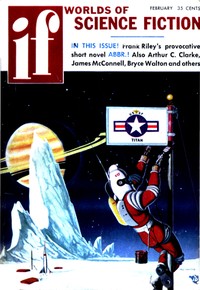
Cover of The Floater

The Floater

Written by Bryce Walton

Not rated yet — tap a star to review it

Chaptra reads alongside you — AI insights, chapter breakdowns and reader discussions for every book. Join free

About this book

"The Floater" by Kenneth O'Hara is a science fiction short story written in the mid-20th century. The narrative revolves around the unique psychological predicament of a solitary Watchman, Harry Barton, stationed in a man-made observational meteor—referred to as a "basketball"—floating in the vast emptiness of space. The story explores themes of isolation, sanity, and the human condition in extreme circumstances. The plot unfolds through interactions between Barton and a neuropsychologist, Dr. Von Ulrich, who visits Barton to assess his mental state as he endures long stretches of solitude. Over the course of many years, Barton grapples with his reality, confronting memories of his past and the effects of prolonged isolation. While Von Ulrich believes that Barton is on the verge of a psychological breakdown due to his unusual resilience, Barton remains content and detached, perceiving time differently, and almost relishing the lack of external stimuli. The story culminates with the discovery of Barton years later, suggesting he has adapted to his environment in a way that defies human expectations of aging and mental stability, leaving readers to contemplate the boundaries of human adaptability.

Reading guide

Themes, characters and key ideas in The Floater, written by Chaptra AI.

  • about 8 hours
  • intermediate
  • mysterious
  • introspective
  • isolated

Kenneth O'Hara's mid-20th century science fiction short story, "The Floater," delves into the profound psychological effects of extreme isolation on Harry Barton, a Watchman stationed alone in a man-made meteor, or "basketball," in deep space. The narrative tracks the recurring visits of neuropsychologist Dr. Von Ulrich, who attempts to assess Barton's mental state, expecting a breakdown due to prolonged solitude. Contrary to expectations, Barton develops an unusual resilience, perceiving time and reality differently, and finding a detached contentment in his environment. The story culminates in a startling discovery years later, suggesting Barton has undergone an unprecedented adaptation, challenging conventional notions of sanity, aging, and human limits in the face of absolute isolation.

"The void isn't empty, Doctor. It's just... quiet. And in the quiet, you learn to hear yourself."

Key themes

Isolation and Solitude
The central theme, exploring the profound and often unexpected effects of prolonged, absolute isolation on the human mind. The story delves beyond mere loneliness to examine how the absence of external stimuli and social interaction redefines one's internal world and perception of reality.
Sanity and the Human Psyche
This theme questions the very definition of sanity when an individual is placed in circumstances far beyond normal human experience. It explores whether Barton's unique adaptation is a form of madness or a higher, albeit alien, state of psychological equilibrium.
Adaptability and Evolution
The story suggests that humanity's capacity for adaptation extends beyond physical resilience to profound psychological and even existential transformation. Barton's ultimate state implies a form of human evolution tailored to extreme environmental pressures.

Worth discussing

How does O'Hara challenge traditional definitions of 'sanity' and 'psychological breakdown' through Harry Barton's experience?

Chapter-by-chapter breakdowns, character arcs and the full thematic analysis come with a free account.

Discussions

No one has started one yet

Join

Questions this book opens up

No discussions yet

Be the first to start a discussion about this book!

Sign up to start the discussion

Reviews

No reviews yet

Be the first to review this book!