
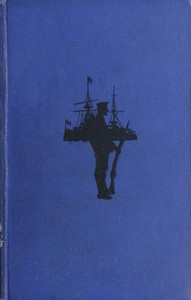
The Fleets at War
Written by Archibald Hurd
Chaptra reads alongside you — AI insights, chapter breakdowns and reader discussions for every book. Join free
About this book
Reading guide
Themes, characters and key ideas in The Fleets at War, written by Chaptra AI.
- about 10 hours
- intermediate
- Informative
- Strategic
- Historical
"The Fleets at War" by Archibald Hurd is an early 20th-century historical account meticulously detailing the naval strategies and assets of the British and German fleets at the precipice of World War I. Hurd emphasizes the crucial role of sea power in determining military outcomes and bolstering national confidence. The book highlights the British fleet's remarkable pre-war achievements, including its swift mobilization and readiness by August 1914. It specifically examines how the Royal Navy effectively disrupted German maritime commerce and secured the vital transport of the British Expeditionary Force to France, underscoring its pivotal influence on Britain's initial war efforts. Hurd's work sets the stage for a deeper exploration of naval policies, fleet compositions, and the broader strategic implications of sea power during wartime.
“The swift mobilization of the British fleet, a testament to foresight and relentless preparation, ensured Britain's immediate command of the seas.”
Key themes
- Naval Power and National Security
- This is the overarching theme, exploring how a strong navy is indispensable for a nation's defense, economic stability, and global influence. Hurd demonstrates how Britain's naval strength was directly tied to its ability to protect trade routes, project force, and deter enemies.
- Strategic Mobilization and Preparedness
- The book highlights the critical importance of pre-war planning and rapid mobilization in achieving immediate strategic objectives. Hurd emphasizes how Britain's advanced state of naval readiness gave it a decisive advantage at the war's outset.
- The Economic Impact of Sea Power
- Hurd explores how naval dominance directly translates into economic warfare, specifically through the disruption of enemy trade and the protection of one's own. The book illustrates how the British Navy immediately began to choke Germany's maritime commerce.
Worth discussing
How did pre-war naval strategies and arms races contribute to the outbreak and character of WWI?
Chapter-by-chapter breakdowns, character arcs and the full thematic analysis come with a free account.
Discussions
No one has started one yet
Questions this book opens up
No discussions yet
Be the first to start a discussion about this book!
Sign up to start the discussionReviews
No reviews yet
Be the first to review this book!