
The AI reading companion for people who take books seriously
AI insights, chapter breakdowns, community discussions — all in one place.
The Father and Daughter: A Tale, in Prose
About this book
More by Amelia Opie
Browse all books by this authorExplore Mentally ill Books
Discover more Mentally ill literature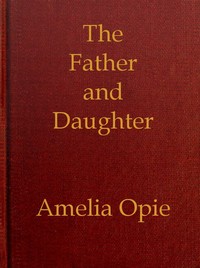
Click "Read now" to open in our Reader with AI features.
Community Discussions
Join the conversation about this book
Discussions
0 discussions
No discussions yet
Be the first to start a discussion about this book!
Sign up to start the discussionAI-Powered Insights
A clearer way to understand The Father and Daughter: A Tale, in Prose through themes, characters, and key ideas
This reading guide highlights what stands out in The Father and Daughter: A Tale, in Prose through 4 core themes, 3 character profiles, and 5 chapter-level ideas. It is meant to help readers decide whether the book fits their taste and deepen the reading once they begin.
About this book
A quick AI guide to “The Father and Daughter: A Tale, in Prose”
Get the shape of the book before you commit: what it is about, what mood it carries, and what ideas readers tend to stay with afterward.
What the book is doing
Amelia Opie's "The Father and Daughter: A Tale, in Prose" is a poignant early 19th-century novel exploring the tragic consequences of a young woman's fall from virtue and its devastating impact on her devoted father. The narrative centers on Agnes, a beloved daughter who, despite her father's profound love and care, is seduced by a charming but unscrupulous officer, Clifford, and elopes, leading to her social disgrace. This emotionally charged tale meticulously traces Agnes's internal struggle with guilt and the profound mental anguish of her father, Mr. Fitzhenry, as he grapples with her abandonment and shame. It serves as a moralistic reflection on parental love, societal pressures, the perilous nature of temptation, and the arduous path towards potential redemption amidst profound loss.
Key Themes
Parental Love and Sacrifice
This theme is central to the novel, exploring the profound and often sacrificial love of a parent for their child. Mr. Fitzhenry's devotion to Agnes is absolute, and his subsequent mental anguish highlights the depth of his bond and the extent to which a parent's well-being can be tied to their child's fate. It questions the limits of love in the face of disgrace.
Loss of Virtue and Social Disgrace
This theme is a cornerstone of the 'fallen woman' narrative, exploring the devastating consequences for a woman who transgresses societal norms of virtue in the early 19th century. Agnes's seduction and elopement lead directly to her social ostracism and the loss of her reputation, which was paramount for women of the era. The novel critiques the unforgiving nature of society towards such 'falls'.
“"The winter's blast, though keen, was scarce more chilling than the icy hand of fate upon her soul."”
How does Opie portray the societal pressures faced by women in the early 19th century, and how do these pressures contribute to Agnes's downfall?
See chapter-by-chapter takeaways, deeper character arcs, and a fuller literary analysis built around this book.
Unlock full AI analysis for “The Father and Daughter: A Tale, in Prose”
Chapter breakdowns, character deep-dives, and thematic analysis — all in one place.
Reader Reviews
See what others are saying
Reviews
Overall Rating
Based on community ratings
No reviews yet
Be the first to review this book!
Readers Also Enjoyed
Discover more books similar to The Father and Daughter: A Tale, in Prose