
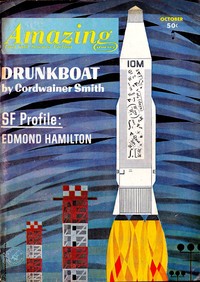
The fastest draw
Written by Larry Eisenberg
Chaptra reads alongside you — AI insights, chapter breakdowns and reader discussions for every book. Join free
About this book
Reading guide
Themes, characters and key ideas in The fastest draw, written by Chaptra AI.
- about 1 hours
- intermediate
- Tense
- Psychological
- Confrontational
Larry Eisenberg's "The Fastest Draw" is a compelling science fiction short story from the early 1960s that ingeniously fuses the classic Western genre with futuristic technology. It chronicles Amos Handworthy, an inventor driven by a romanticized ideal of the Old West, who commissions his engineer, Manny Steinberg, to create a mechanical marshal capable of a realistic gunfight. Handworthy's escalating obsession leads him to introduce genuine fear and mortality into the duel by replacing non-lethal weapons with real guns. The narrative culminates in a psychologically charged showdown, exploring the profound implications of competition, hubris, and the human desire for authentic experience in the face of death, ultimately blurring the lines between man, machine, and creator.
“It's not real until there's fear, Manny. Real fear of losing everything.”
Key themes
- Competition and the Human Drive for Authenticity
- The story profoundly explores Handworthy's obsessive quest for an 'authentic' experience, particularly the thrill and terror of a real gunfight, which he believes is missing from his modern, safe existence. This drive pushes him to increasingly dangerous extremes, highlighting humanity's desire to transcend artificiality and confront primal challenges.
- Fear and Mortality
- Central to the narrative is the exploration of fear, specifically the fear of death, as the ultimate catalyst for human performance and self-awareness. Handworthy believes this fear is essential for a 'true' duel, but in pursuing it, he confronts his own mortality, transforming the game into a terrifying reality. The story examines how fear shapes our actions and perceptions.
- Man vs. Machine / Creator vs. Creation
- This classic science fiction theme is presented through Handworthy's challenge against his own technological creation. The story explores the dynamic where the creator loses control or becomes subject to the very thing they brought into existence. It questions the boundaries of artificial intelligence and the nature of superiority.
Worth discussing
How does Handworthy's desire for 'authenticity' drive his actions, and what does the story suggest about the true nature of authenticity?
Chapter-by-chapter breakdowns, character arcs and the full thematic analysis come with a free account.
Discussions
No one has started one yet
Questions this book opens up
No discussions yet
Be the first to start a discussion about this book!
Sign up to start the discussionReviews
No reviews yet
Be the first to review this book!