
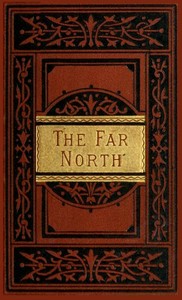
The Far North: Exploration in the Arctic Regions
Written by Elisha Kent Kane
Chaptra reads alongside you — AI insights, chapter breakdowns and reader discussions for every book. Join free
About this book
Reading guide
Themes, characters and key ideas in The Far North: Exploration in the Arctic Regions, written by Chaptra AI.
- about 12 hours
- advanced
- austere
- determined
- challenging
Elisha Kent Kane's "The Far North: Exploration in the Arctic Regions" is a compelling mid-19th-century historical account detailing the harrowing Second Grinnell Expedition. As commander, Kane leads his crew into the treacherous Arctic in search of the lost Sir John Franklin and his ill-fated Northwest Passage expedition. The narrative meticulously chronicles the immense logistical and exploratory challenges, from navigating icy waters and establishing a base to undertaking perilous search missions. Beyond scientific observations, the book profoundly explores themes of human perseverance, the raw power of nature, and the intricate dynamics of leadership and camaraderie under extreme duress, painting a vivid picture of human spirit against the backdrop of the unforgiving polar environment.
“"The Arctic is a region of paradox: where the beauty of nature is matched only by its desolation, and the spirit of man is tested beyond all ordinary measure."”
Key themes
- Perseverance and Human Endurance
- This is the central theme, explored through the crew's relentless efforts to survive and continue their mission despite extreme cold, starvation, scurvy, and the constant threat of death. The narrative highlights the psychological and physical limits of human resilience.
- Man vs. Nature
- The Arctic itself acts as the primary antagonist, a vast, indifferent, and overwhelmingly powerful force that constantly threatens the expedition. The theme explores humanity's vulnerability and fragility when confronted with the raw, untamed elements.
- Leadership and Responsibility
- Kane's narrative offers a deep exploration of the burdens and dilemmas of leadership, particularly in a life-or-death situation. It examines the decisions made under pressure, the need to maintain morale, and the ultimate responsibility for the lives of one's crew.
Worth discussing
Discuss the ethical considerations of 19th-century Arctic exploration, particularly concerning the risks taken by the crew and the impact on indigenous communities.
Chapter-by-chapter breakdowns, character arcs and the full thematic analysis come with a free account.
Discussions
No one has started one yet
Questions this book opens up
No discussions yet
Be the first to start a discussion about this book!
Sign up to start the discussionReviews
No reviews yet
Be the first to review this book!