
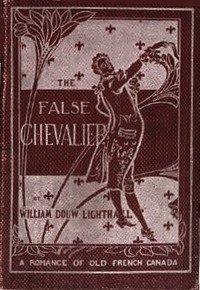
The False Chevalier: or, The Lifeguard of Marie Antoinette
Written by W. D. (William Douw) Lighthall
Chaptra reads alongside you — AI insights, chapter breakdowns and reader discussions for every book. Join free
About this book
Reading guide
Themes, characters and key ideas in The False Chevalier: or, The Lifeguard of Marie Antoinette, written by Chaptra AI.
- about 8 hours
- intermediate
- romantic
- adventurous
- dramatic
W. D. Lighthall's "The False Chevalier" is a captivating historical novel that transports readers to the volatile eve of the French Revolution through the eyes of Germain Lecour, a young Canadian fur trader's son with a unique Indigenous heritage. Sent to France for business, Germain quickly finds himself entangled in the intricate web of Parisian aristocracy, court intrigue, and a passionate romance, all while serving as a lifeguard to the ill-fated Marie Antoinette. The narrative explores themes of identity, loyalty, and the stark contrast between his humble Canadian roots and the decadent, doomed world of the French monarchy, leading him to confront the true meaning of honor amidst political upheaval and personal deception.
“"The wild heart of Canada beats still within me, even amidst the gilded cages of Versailles."”
Key themes
- Identity and Belonging
- Germain Lecour's journey is fundamentally a quest for identity. Torn between his Canadian roots, his Indigenous adoption, and his assumed role in French aristocracy, he constantly grapples with where he truly belongs. This theme explores how external circumstances and internal values shape one's sense of self, especially when traversing vastly different cultures and social strata.
- Political Turmoil and Revolution
- The French Revolution serves as more than just a backdrop; it is a living, breathing force that shapes every character's destiny. The novel captures the escalating tension, the whispers of discontent, and the eventual eruption of violence that dismantles an old order. It examines the causes and consequences of revolutionary change through the personal experiences of those caught in its tide.
- Social Class and Hierarchy
- The novel vividly portrays the rigid and stratified society of pre-Revolutionary France. Germain, as an outsider, experiences firsthand the barriers and prejudices based on birthright and wealth. This theme highlights the injustices and absurdities of a system where privilege is inherited, and merit is often overlooked, ultimately contributing to the revolutionary fervor.
Worth discussing
How does Germain's Canadian and Indigenous background influence his perspective on French aristocracy and the impending Revolution?
Chapter-by-chapter breakdowns, character arcs and the full thematic analysis come with a free account.
Discussions
No one has started one yet
Questions this book opens up
No discussions yet
Be the first to start a discussion about this book!
Sign up to start the discussionReviews
No reviews yet
Be the first to review this book!