
Chaptra

The AI reading companion for people who take books seriously

AI insights, chapter breakdowns, community discussions — all in one place.

Join free
Book0 • 300+ pages • 5+ hours reading time

The Fables of Aesop: Selected, Told Anew, and Their History Traced

3.4/5
352 readers on Chaptra have this book

About this book

"The Fables of Aesop" by Aesop is a renowned collection of moral tales, often categorized as fables, written during the ancient era, particularly noted in the Greco-Roman period around the 6th century BC. This book, specifically retold and compiled by Joseph Jacobs in the late 19th century, features an array of short stories that often involve anthropomorphic animals and convey lessons about human behavior, ethics, and life lessons. The fables address universal truths and moral dilemmas, making them timeless tales that resonate across cultures and ages. The content of the book consists of a diverse range of stories, each delivering a moral lesson through engaging narratives. For instance, "The Tortoise and the Hare" emphasizes the value of perseverance over arrogance, while "The Fox and the Grapes" illustrates how people often belittle what they cannot obtain. Characters such as wise tortoises, cunning foxes, and naive hares populate these stories, each embodying distinct virtues or vices that serve as reflections on human nature. Through a mixture of humor, wisdom, and insights into human behavior, the fables encourage readers, both young and old, to contemplate the morals presented in their simple yet profound narratives.
Language
English
Publisher
Project Gutenberg
Release date
Unknown
Downloads
1.2K

Explore Fables, Greek Books

Discover more Fables, Greek literature
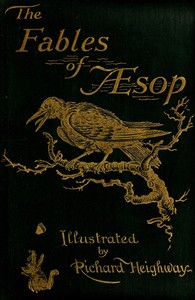
Cover of The Fables of Aesop: Selected, Told Anew, and Their History Traced

Click "Read now" to open in our Reader with AI features.

Community Discussions

Join the conversation about this book

Discussions

0 discussions

Join

No discussions yet

Be the first to start a discussion about this book!

Sign up to start the discussion

AI-Powered Insights

A clearer way to understand The Fables of Aesop: Selected, Told Anew, and Their History Traced through themes, characters, and key ideas

This reading guide highlights what stands out in The Fables of Aesop: Selected, Told Anew, and Their History Traced through 4 core themes, 4 character profiles, and 4 chapter-level ideas. It is meant to help readers decide whether the book fits their taste and deepen the reading once they begin.

AI Reading GuidePreview

About this book

A quick AI guide to “The Fables of Aesop: Selected, Told Anew, and Their History Traced

Get the shape of the book before you commit: what it is about, what mood it carries, and what ideas readers tend to stay with afterward.

~8h readbeginnerdidacticwiseinsightful

What the book is doing

Joseph Jacobs' retelling of "The Fables of Aesop" presents a timeless collection of ancient moral tales, traditionally attributed to the Greek storyteller Aesop. Featuring anthropomorphic animals and human characters, each succinct narrative serves as an allegory for human behavior, ethics, and universal truths. The fables, such as "The Tortoise and the Hare" and "The Fox and the Grapes," distill complex moral dilemmas into accessible stories, aiming to impart wisdom and encourage virtuous conduct. This compilation, rooted in the Greco-Roman period, continues to resonate across cultures and generations due to its simple yet profound insights into human nature and the consequences of one's actions.

Key Themes

Perseverance vs. Arrogance

This theme explores the idea that consistent effort and humility often lead to success, while overconfidence, boasting, and underestimating others can lead to failure. It emphasizes the internal qualities of character over inherent natural advantages.

The Consequences of Deceit and Dishonesty

Many fables illustrate the inevitable negative repercussions of lying, trickery, and false alarms. They teach that a reputation for dishonesty can lead to mistrust, even when one genuinely needs help, and that deceit often backfires on the deceiver.

A line worth noting
Slow and steady wins the race.
A good discussion starter

How do the anthropomorphic animal characters effectively convey human traits and moral lessons?

Unlock the full reading guide

See chapter-by-chapter takeaways, deeper character arcs, and a fuller literary analysis built around this book.

Unlock full AI analysis for “The Fables of Aesop: Selected, Told Anew, and Their History Traced

Chapter breakdowns, character deep-dives, and thematic analysis — all in one place.

Reader Reviews

See what others are saying

Reviews

Overall Rating

3.4
120 ratings

Based on community ratings

No reviews yet

Be the first to review this book!

Readers Also Enjoyed

Discover more books similar to The Fables of Aesop: Selected, Told Anew, and Their History Traced