
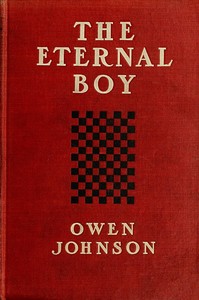
The Eternal Boy: Being the Story of the Prodigious Hickey
Written by Owen Johnson
Chaptra reads alongside you — AI insights, chapter breakdowns and reader discussions for every book. Join free
About this book
Reading guide
Themes, characters and key ideas in The Eternal Boy: Being the Story of the Prodigious Hickey, written by Chaptra AI.
- about 8 hours
- intermediate
- humorous
- rebellious
- nostalgic
Owen Johnson's "The Eternal Boy," featuring William Orville Hicks, or Hickey, is a vibrant early 20th-century novel chronicling the mischievous adventures and social navigations of a clever schoolboy. Set in an academic institution, the narrative follows Hickey as he masterminds various pranks and challenges the rigid authority of his teachers, often disrupting the established order. Beyond the comedic escapades, the story delves into themes of youthful rebellion, the complex dynamics of peer relationships, and the search for justice within a hierarchical system. Hickey's journey highlights the universal struggles for acceptance and the formation of identity during adolescence, making it a timeless portrayal of boyhood.
“"Hickey had an almost divine genius for finding the vulnerable point in any established order."”
Key themes
- Rebellion vs. Authority
- This is the central thematic conflict of the novel, explored through Hickey's constant defiance of school rules and the figures who enforce them. It delves into the inherent tension between youthful desire for freedom and institutional demands for conformity, questioning the nature and legitimacy of power.
- Youthful Camaraderie and Friendship
- The novel vividly portrays the strong bonds formed among boys in a boarding school environment. It highlights the loyalty, shared adventures, and mutual support that define these friendships, often against a common 'enemy' (authority figures). It explores how these relationships shape identity and provide a sense of belonging.
- The Nature of Justice and Fairness
- From a boy's perspective, the novel explores what constitutes justice and fairness, particularly when faced with adult interpretations of rules and consequences. Hickey often rebels not just for mischief, but out of a genuine belief that he or his friends have been treated unfairly, highlighting the subjective nature of justice.
Worth discussing
How does Hickey embody the 'eternal boy' archetype, and what makes this archetype so enduring?
Chapter-by-chapter breakdowns, character arcs and the full thematic analysis come with a free account.
Discussions
No one has started one yet
Questions this book opens up
No discussions yet
Be the first to start a discussion about this book!
Sign up to start the discussionReviews
No reviews yet
Be the first to review this book!