
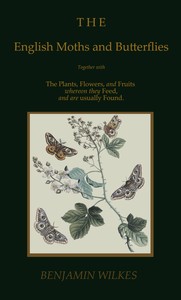
The English moths and butterflies : $b Together with the plants, flowers, and fruits whereon they feed, and are usually found.
Written by Benjamin Wilkes
Chaptra reads alongside you — AI insights, chapter breakdowns and reader discussions for every book. Join free
About this book
Reading guide
Themes, characters and key ideas in The English moths and butterflies : $b Together with the plants, flowers, and fruits whereon they feed, and are usually found., written by Chaptra AI.
- about 20 hours
- advanced
- Informative
- Observational
- Detailed
Benjamin Wilkes's "The English Moths and Butterflies" is an early 18th-century scientific treatise meticulously cataloging the diverse entomological life of England. This seminal work combines rigorous scientific observation and experimentation with detailed, beautiful illustrations, presenting a comprehensive natural history of moths and butterflies. Wilkes systematically describes the life cycles of these creatures, from egg to adult, while also documenting the specific flora they depend upon for sustenance. Addressed to the Royal Society of London, the publication underscores a foundational commitment to empirical study, offering a valuable historical record of both scientific methodology and the natural world.
“outlines the purpose of his work, which is grounded in careful observation and experimentation on the life cycles of these creatures.”
Key themes
- Scientific Observation and Experimentation
- This theme is central to the book's purpose, as Wilkes explicitly grounds his work in 'careful observation and experimentation.' It reflects the Enlightenment's emphasis on empirical evidence as the foundation of knowledge, moving away from speculative natural philosophy.
- Life Cycles and Metamorphosis
- A core focus of the book is the complete life cycle of insects, from egg to caterpillar, chrysalis, and adult. This systematic approach to metamorphosis not only provides biological insights but also offers a profound reflection on transformation and the continuity of life.
- The Beauty and Complexity of Nature
- Wilkes consistently highlights the intricate details and 'beautiful diversity' of moths and butterflies, not just as scientific specimens but as objects of aesthetic wonder. The detailed illustrations serve to emphasize this beauty, encouraging readers to appreciate the natural world's inherent artistry.
Worth discussing
How does Wilkes's methodology reflect the scientific principles emerging during the Enlightenment?
Chapter-by-chapter breakdowns, character arcs and the full thematic analysis come with a free account.
Discussions
No one has started one yet
Questions this book opens up
No discussions yet
Be the first to start a discussion about this book!
Sign up to start the discussionReviews
No reviews yet
Be the first to review this book!