
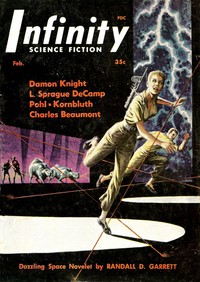
The Engineer
Written by C. M. (Cyril M.) Kornbluth,Frederik Pohl
Chaptra reads alongside you — AI insights, chapter breakdowns and reader discussions for every book. Join free
About this book
Reading guide
Themes, characters and key ideas in The Engineer, written by Chaptra AI.
- about 3 hours
- intermediate
- tense
- somber
- realistic
C. M. Kornbluth and Frederik Pohl's novella, "The Engineer," delves into the high-stakes world of deep-sea oil drilling, exploring the intersection of technological ambition, corporate pressure, and human fallibility. Set in the mid-20th century, the story centers on Muhlenhoff, a project manager grappling with escalating technical failures and a panicked team. As he confronts the reality of his own limited control and the illusion of his leadership, the narrative exposes the harsh truths behind resource extraction. The novella culminates in a crisis that shatters Muhlenhoff's self-perception, highlighting the profound disconnect between perceived competence and the brutal demands of a high-pressure, unforgiving environment.
“The ocean cares nothing for our schedules, our budgets, or our desperate need for oil. It only cares for its own immense indifference.”
Key themes
- The Illusion of Control and Leadership
- This theme is central to Muhlenhoff's character arc. The story explores how leadership, particularly in complex technical environments, can often be more about managing perceptions and projecting confidence than about possessing actual problem-solving expertise. Muhlenhoff's realization that he is 'more of a figurehead than an actual problem solver' underscores the vulnerability of even experienced leaders when faced with systemic failures beyond their direct control.
- Corporate Greed vs. Safety
- The novella starkly contrasts the relentless corporate drive for resource extraction and profit with the inherent risks and necessary safety protocols. The escalating problems in the deep-sea project are implicitly, if not explicitly, linked to pressures to cut corners, accelerate timelines, or ignore warnings in pursuit of financial gain, highlighting the often-deadly consequences of prioritizing profit over human lives and environmental responsibility.
- Human Error and Technological Limitations
- The novella delves into the inherent fallibility of human design, construction, and operation, even within advanced technological frameworks. The leaks and structural failures are not just random occurrences but symptoms of a system where human decisions, whether due to oversight, miscalculation, or pressure, contribute to catastrophic outcomes. It challenges the mid-century optimism in technology by showcasing its vulnerability when confronted with the unforgiving realities of nature and human imperfection.
Worth discussing
How does Muhlenhoff's journey reflect the broader human tendency to prioritize perception over competence, especially in leadership roles?
Chapter-by-chapter breakdowns, character arcs and the full thematic analysis come with a free account.
Discussions
No one has started one yet
Questions this book opens up
No discussions yet
Be the first to start a discussion about this book!
Sign up to start the discussionReviews
No reviews yet
Be the first to review this book!