
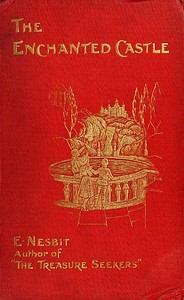
The Enchanted Castle
Written by E. (Edith) Nesbit
Chaptra reads alongside you — AI insights, chapter breakdowns and reader discussions for every book. Join free
About this book
Reading guide
Themes, characters and key ideas in The Enchanted Castle, written by Chaptra AI.
- about 8 hours
- intermediate
- whimsical
- adventurous
- humorous
E. Nesbit's "The Enchanted Castle" follows three adventurous siblings, Jerry, Jimmy, and Kathleen, whose summer holiday takes an unexpected turn when they discover a mysterious castle and a magic ring. This ring grants wishes, plunging them into a series of whimsical yet often chaotic adventures, from invisibility to bringing statues to life. As they navigate the unpredictable consequences of their desires, they learn about the nature of magic, the power of imagination, and the responsibilities that come with wielding extraordinary abilities. The narrative brilliantly blurs the lines between childhood fantasy and an underlying reality, inviting readers into a world where belief can truly shape experience and where the mundane can become magical.
“It is a most annoying thing that, just when you are going to have a party, something happens that prevents it.”
Key themes
- Imagination vs. Reality
- This is the central theme, exploring how children's intense belief and imaginative play can create a reality of its own. Nesbit constantly blurs the lines, making readers question whether the magic is external or a manifestation of the children's minds. The book suggests that the power of belief can make the impossible seem real, especially in childhood.
- The Nature of Magic
- Nesbit presents magic not as an infallible, benevolent force, but as something unpredictable, often inconvenient, and with unexpected consequences. It is tied to human will and belief, but also possesses a wild, untamable quality that requires caution and responsibility.
- Childhood and Play
- The novel celebrates the profound importance and power of imaginative play in a child's development. The children's adventures stem directly from their games and their ability to fully immerse themselves in fantasy, highlighting how play is not just entertainment but a crucial way children learn about the world and themselves.
Worth discussing
How does Nesbit blur the lines between imagination and reality in the story? Do you think the magic was 'real' in the end?
Chapter-by-chapter breakdowns, character arcs and the full thematic analysis come with a free account.
Discussions
No one has started one yet
Questions this book opens up
No discussions yet
Be the first to start a discussion about this book!
Sign up to start the discussionReviews
No reviews yet
Be the first to review this book!