
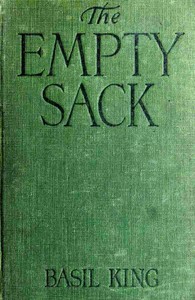
The Empty Sack
Written by Basil King
Chaptra reads alongside you — AI insights, chapter breakdowns and reader discussions for every book. Join free
About this book
Reading guide
Themes, characters and key ideas in The Empty Sack, written by Chaptra AI.
- about 8 hours
- intermediate
- somber
- realistic
- anxious
Basil King's "The Empty Sack" is an early 20th-century novel that starkly portrays the economic anxieties and class disparities prevalent in corporate America. It centers on Josiah Follett, a middle-aged bank clerk facing the looming threat of unemployment due to age and perceived obsolescence, a fate that imperils his family's survival. The narrative delves into his desperate struggle to maintain dignity and provide for his loved ones against the backdrop of an indifferent business world, embodied by figures like the stern Mr. Collingham and the efficient Miss Ruddick. Through the interweaving fates of the Follett and Collingham families, the novel explores the profound social and psychological impact of economic insecurity on individuals and the stark divide between the working class and the affluent elite. It sets a somber tone, foreshadowing the immense challenges Josiah and his family must navigate in their fight against poverty and corporate neglect.
“"The greatest fear, he realized, was not of death, but of becoming a burden; an empty sack in a world that valued only fullness."”
Key themes
- Economic Struggle and Unemployability
- This is the central theme, exploring the devastating impact of job insecurity and poverty on individuals and families in an unforgiving capitalist system. It highlights the fear of obsolescence and the lack of social safety nets in the early 20th century.
- Familial Responsibility
- The theme examines the profound sense of duty and burden Josiah feels to provide for his wife and children. It explores how this responsibility both motivates and crushes him, highlighting the emotional and psychological toll of being a provider in times of crisis.
- Class Conflict and Corporate Indifference
- This theme explores the stark divide between the working class, who are vulnerable to economic shifts, and the upper class or corporate entities, who operate with a detached, profit-driven logic. It critiques the dehumanizing aspects of a system that prioritizes business efficiency over human well-being.
Worth discussing
How does 'The Empty Sack' portray the human cost of economic systems that prioritize profit over people?
Chapter-by-chapter breakdowns, character arcs and the full thematic analysis come with a free account.
Discussions
No one has started one yet
Questions this book opens up
No discussions yet
Be the first to start a discussion about this book!
Sign up to start the discussionReviews
No reviews yet
Be the first to review this book!