
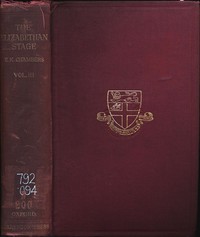
The Elizabethan Stage, Vol. 3
Written by E. K. (Edmund Kerchever) Chambers
Chaptra reads alongside you — AI insights, chapter breakdowns and reader discussions for every book. Join free
About this book
Reading guide
Themes, characters and key ideas in The Elizabethan Stage, Vol. 3, written by Chaptra AI.
- about 15 hours
- advanced
- scholarly
- informative
- historical
E. K. Chambers' "The Elizabethan Stage, Vol. 3" is a foundational early 20th-century scholarly work meticulously detailing the staging practices of the Elizabethan era, particularly at court and in public theatres. This volume rigorously examines the evolution of stagecraft, tracing influences from earlier Renaissance traditions and Italian innovations that shaped the English theatrical landscape. Chambers emphasizes the crucial role of scenic representation in supporting the complex plots of contemporary plays, providing a comprehensive historical account of theatrical design and performance. It stands as a cornerstone for understanding the practicalities and artistic developments of the period's dramatic productions, offering unparalleled detail on theatre architecture, machinery, and conventions.
“The understanding of the Elizabethan stage is not merely an antiquarian pursuit, but an indispensable key to the full appreciation of its dramatic literature.”
Key themes
- Evolution of Stagecraft
- This theme explores the dynamic development of theatrical staging practices throughout the Elizabethan era, tracing its progression from simpler, medieval-influenced setups to more complex and technologically advanced designs. Chambers meticulously details how innovations in architecture, machinery, and scenic representation contributed to the growing sophistication of English theatre.
- Influence of Italian Staging Traditions
- Chambers highlights the significant impact of Italian Renaissance theatre on English stagecraft, particularly evident in court performances and masques. This theme details how concepts such as perspective design, elaborate scenic backdrops, and sophisticated stage machinery, initially developed in Italy, found their way into the English theatrical landscape, influencing both design and performance aesthetics.
- Interplay of Text and Performance
- This theme explores how the practicalities and possibilities of Elizabethan staging directly informed and shaped the dramatic texts written for the era. Chambers demonstrates that playwrights were acutely aware of their stage's capabilities and limitations, often crafting their plots, scene changes, and dramatic effects to maximize the impact of available theatrical resources.
Worth discussing
How does Chambers' detailed analysis of staging practices enhance or alter our understanding of specific Elizabethan plays?
Chapter-by-chapter breakdowns, character arcs and the full thematic analysis come with a free account.
Discussions
No one has started one yet
Questions this book opens up
No discussions yet
Be the first to start a discussion about this book!
Sign up to start the discussionReviews
No reviews yet
Be the first to review this book!