
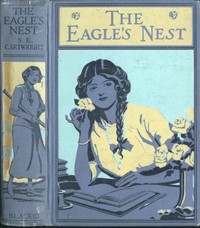
The Eagle's Nest
Written by S. E. Cartwright
Chaptra reads alongside you — AI insights, chapter breakdowns and reader discussions for every book. Join free
About this book
Reading guide
Themes, characters and key ideas in The Eagle's Nest, written by Chaptra AI.
- about 8 hours
- intermediate
- uplifting
- adventurous
- nostalgic
S. E. Cartwright's late 19th-century children's novel, "The Eagle's Nest," chronicles the spirited adventures of the West siblings – Madge, Betty, and John – as they navigate the boundless realms of childhood imagination. The narrative opens with a charmingly disrupted classroom scene, quickly transitioning into the children's collaborative dream of constructing a secret treehouse, aptly named "The Eagle's Nest," in a towering beech tree. This grand project serves as a focal point for their daring plans and vibrant discussions, embodying themes of camaraderie and the escapism of play. Their endeavors soon lead to an intriguing encounter with a mysterious boy, Lewis Brand, and introduce the enigmatic presence of Mrs. Howard, hinting at deeper mysteries beyond their immediate world of adventure.
“"The Eagle's Nest! A proper fortress, high amongst the leaves, where no grown-up dare venture!"”
Key themes
- Childhood Imagination and Play
- The novel profoundly explores the boundless nature of childhood imagination and its critical role in development. It champions the idea that unstructured play, fueled by creativity, is as vital, if not more so, than formal education, allowing children to construct their own worlds and narratives.
- Adventure and Exploration
- The inherent human desire for adventure and exploration is a driving force in the children's lives. Their quest for a secret hideaway and the subsequent plans for escapades reflect a yearning for discovery, excitement, and pushing the boundaries of their everyday lives.
- Sibling Camaraderie and Friendship
- The novel showcases the strong bonds of camaraderie and friendship, particularly between the West siblings. Their shared dreams, collaborative efforts, and mutual support in building 'The Eagle's Nest' highlight the strength and importance of these relationships in navigating childhood and fostering a sense of belonging. The introduction of Lewis Brand hints at the expansion of this theme to include new friendships.
Worth discussing
How does the novel portray the contrast between formal education and imaginative play? Which seems more valuable to the children?
Chapter-by-chapter breakdowns, character arcs and the full thematic analysis come with a free account.
Discussions
No one has started one yet
Questions this book opens up
No discussions yet
Be the first to start a discussion about this book!
Sign up to start the discussionReviews
No reviews yet
Be the first to review this book!