
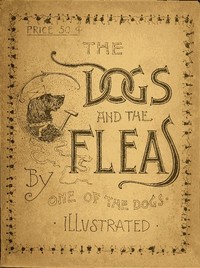
The Dogs and the Fleas: By One of the Dogs
Written by Frederic Scrimshaw
Chaptra reads alongside you — AI insights, chapter breakdowns and reader discussions for every book. Join free
About this book
Reading guide
Themes, characters and key ideas in The Dogs and the Fleas: By One of the Dogs, written by Chaptra AI.
- about 8 hours
- advanced
- satirical
- allegorical
- somber
Frederic Scrimshaw's "The Dogs and the Fleas" is a late 19th-century satirical allegory exploring societal power dynamics through the lens of dogs and their parasitic fleas. The narrative chronicles the rise and fall of Canisville, a community founded by dogs seeking freedom from the fleas of Kyhidom, under the wise but ultimately transient leadership of Bull McMastiff. Following McMastiff's death, the opportunistic Pup McPoodle takes control, leading the dogs into a new era of poverty and misery, mirroring the very exploitation they once fled. The book critically examines themes of governance, corruption, social justice, and the cyclical nature of oppression, hinting at the enduring struggles for autonomy. It serves as a stark commentary on human political and economic systems, disguised within a whimsical yet poignant animal fable.
“"Beware the smallest bite, for neglect makes mountains of molehills, and a single flea forgotten breeds a thousand masters."”
Key themes
- Governance and Leadership
- This theme is central, explored through the stark contrast between Bull McMastiff's wise, protective rule and Pup McPoodle's corrupt, self-serving leadership. It examines how effective and ethical governance is crucial for societal well-being and how easily it can be undermined, leading to widespread suffering.
- Social Justice and Exploitation
- The core allegory of dogs and fleas directly addresses the theme of social justice and the various forms of exploitation. The fleas represent parasitic entities that thrive by preying on the vulnerable, mirroring real-world economic, political, and social systems that create and perpetuate inequality.
- The Cyclical Nature of Power and Oppression
- The narrative strongly suggests that societies are prone to repeating patterns of oppression, even after achieving freedom. The transition from the fleas of Kyhidom to the internal 'fleas' fostered by McPoodle's corruption highlights the idea that vigilance is an ongoing struggle, and freedom is never permanently won.
Worth discussing
How does the allegory of dogs and fleas effectively represent broader social and political issues of the late 19th century, and how does it resonate today?
Chapter-by-chapter breakdowns, character arcs and the full thematic analysis come with a free account.
Discussions
No one has started one yet
Questions this book opens up
No discussions yet
Be the first to start a discussion about this book!
Sign up to start the discussionReviews
No reviews yet
Be the first to review this book!