
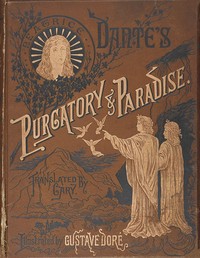
The Divine Comedy by Dante, Illustrated, Paradise, Complete
Written by Dante Alighieri
Chaptra reads alongside you — AI insights, chapter breakdowns and reader discussions for every book. Join free
About this book
Reading guide
Themes, characters and key ideas in The Divine Comedy by Dante, Illustrated, Paradise, Complete, written by Chaptra AI.
- about 12 hours
- advanced
- uplifting
- awe-inspiring
- contemplative
Dante Alighieri's "Paradise," the concluding canticle of "The Divine Comedy," chronicles the poet's allegorical journey through the nine celestial spheres of Heaven, culminating in the Empyrean. Guided by his beloved Beatrice, who symbolizes divine grace and theological wisdom, Dante seeks ultimate enlightenment and the beatific vision of God. The narrative explores profound themes of divine love, cosmic order, spiritual ascent, and the pursuit of ultimate truth, moving from the earthly shadows of sin and purgation into the radiant light of divine harmony. Through encounters with blessed spirits and Beatrice's didactic explanations, Dante grapples with complex theological and philosophical concepts, ultimately achieving a glimpse of the ineffable, unifying love that governs the universe.
“"The Love that moves the sun and the other stars."”
Key themes
- Divine Love and Grace
- The central and overarching theme of "Paradise." Divine love is presented as the prime mover of the universe, the force that creates, sustains, and draws all creation back to God. It is the source of all harmony, order, and beauty in Heaven, and the ultimate goal of Dante's journey. Grace, as God's unmerited favor, enables Dante's ascent and his capacity to perceive the divine.
- Spiritual Ascent and Enlightenment
- Dante's journey through Paradise is a metaphor for the soul's progressive purification and intellectual illumination. With each sphere, Dante's understanding of divine mysteries deepens, and his capacity to withstand and absorb divine light increases, signifying spiritual growth and enlightenment. This ascent is both literal (through the heavens) and metaphorical (of the soul and intellect).
- Order and Harmony of the Cosmos
- Reflecting a medieval scholastic worldview, "Paradise" meticulously details a cosmos governed by divine order, where every element, from the smallest star to the highest angel, has its appointed place and contributes to a perfect, harmonious whole. This theme emphasizes God's meticulous design and the inherent justice of the universe.
Worth discussing
How does Dante's depiction of Heaven in "Paradise" differ from or confirm your own preconceptions or religious beliefs about the afterlife?
Chapter-by-chapter breakdowns, character arcs and the full thematic analysis come with a free account.
Discussions
No one has started one yet
Questions this book opens up
No discussions yet
Be the first to start a discussion about this book!
Sign up to start the discussionReviews
No reviews yet
Be the first to review this book!