
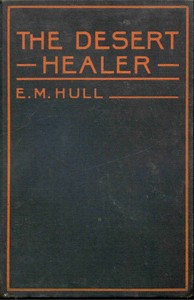
The Desert Healer
Written by E. M. (Edith Maude) Hull
Chaptra reads alongside you — AI insights, chapter breakdowns and reader discussions for every book. Join free
About this book
Reading guide
Themes, characters and key ideas in The Desert Healer, written by Chaptra AI.
- about 8 hours
- intermediate
- romantic
- mysterious
- dramatic
E. M. Hull's "The Desert Healer" transports readers to the desolate yet captivating landscapes of early 20th-century Algeria, where two troubled souls find an unexpected connection. The story centers on Gervas Carew, a reclusive Englishman with a dark past, and Marny Geradine, a woman trapped in an unhappy marriage. Their paths intertwine dramatically when Carew rescues Marny from a perilous situation, forcing them to confront their personal demons and the societal expectations that threaten to keep them apart. Against the backdrop of the untamed desert, their complicated relationship blossoms, exploring themes of redemption, passionate love, and the clash between societal conventions and raw human emotion. Ultimately, the novel delves into the healing power of unconventional love and the quest for true self amidst adversity.
“The desert holds truths that civilization forgets, a stark honesty that strips away all pretense.”
Key themes
- Redemption and Healing
- Central to the novel, this theme explores the possibility of overcoming past traumas and societal condemnation to find peace and wholeness. Gervas Carew, haunted by his mysterious past, seeks redemption through isolation, but truly finds it through his love for Marny. Marny, in turn, is healed from the emotional wounds of her troubled marriage and finds her true self and strength in the desert, facilitated by Carew.
- Love Against Societal Constraints
- This theme examines the conflict between passionate, unconventional love and the rigid expectations of early 20th-century society, particularly concerning marriage and reputation. Marny's unhappy marriage and Carew's shadowed past create formidable obstacles to their relationship, forcing them to choose between social acceptance and authentic love.
- Civilization vs. Wilderness
- The novel draws a sharp contrast between the artificiality and corruption of 'civilized' European society and the raw honesty, freedom, and even brutality of the desert wilderness. The desert acts as a crucible where characters shed their societal roles and discover their primal selves, often leading to greater truth and authenticity.
Worth discussing
How does the desert setting function as more than just a backdrop? What symbolic roles does it play in the characters' transformations?
Chapter-by-chapter breakdowns, character arcs and the full thematic analysis come with a free account.
Discussions
No one has started one yet
Questions this book opens up
No discussions yet
Be the first to start a discussion about this book!
Sign up to start the discussionReviews
No reviews yet
Be the first to review this book!