
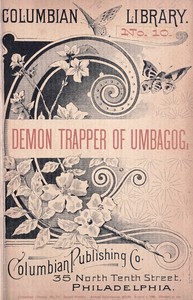
The Demon Trapper of Umbagog: A Thrilling Tale of the Maine Forests
Written by Daniel P. (Daniel Pierce) Thompson
Chaptra reads alongside you — AI insights, chapter breakdowns and reader discussions for every book. Join free
About this book
Reading guide
Themes, characters and key ideas in The Demon Trapper of Umbagog: A Thrilling Tale of the Maine Forests, written by Chaptra AI.
- about 9 hours
- intermediate
- somber
- tense
- moralistic
D. P. Thompson's late 19th-century novel, "The Demon Trapper of Umbagog," plunges into the moral and financial decay of Mark Elwood, a man entangled in societal expectations and personal vices. Set against the stark contrast of opulent Boston society and the rugged Maine forests, the narrative explores Elwood's perilous journey initiated by his deteriorating financial state and the manipulative influence of figures like Gaut Gurley. The story opens amidst a lavish Boston gathering, where Elwood's internal turmoil and the volatility of his relationships, particularly with his brother Arthur, foreshadow a tale steeped in moral dilemmas and the consequences of human ambition. It promises a deep dive into the complexities of human nature, challenging characters with their choices between rectitude and ruin.
“"The glitter of the drawing-room could not mask the gnawing worm of insolvency, a silent guest at every lavish feast."”
Key themes
- Vice and Moral Corruption
- This theme is central to the novel, exploring how personal weaknesses and external temptations lead characters down a path of moral decay. Mark Elwood's financial struggles serve as the initial vulnerability that allows vice to take root, exacerbated by the influence of characters like Gaut Gurley. The narrative delves into the insidious nature of corruption, illustrating how seemingly small compromises can lead to profound moral downfall.
- Societal Expectations vs. Personal Ruin
- The novel highlights the crushing pressure of maintaining appearances and status within 19th-century society, particularly in a setting like Boston. Mark Elwood's internal turmoil at a lavish gathering, despite his financial woes, underscores the destructive power of societal expectations and the lengths individuals might go to preserve their reputation, even at the cost of their integrity and eventual ruin.
- Consequences of Choice and Redemption
- The narrative implicitly focuses on the repercussions of Mark Elwood's decisions, particularly those made under duress or bad influence. His 'precarious position' and 'perilous path' highlight that choices have lasting impacts, driving the plot and character development. The potential for redemption, often a staple of 19th-century moral tales, is likely explored as Elwood confronts the outcomes of his actions, offering hope for moral recovery.
Worth discussing
How does Thompson use the contrast between Boston society and the Maine forests to explore themes of morality and human nature?
Chapter-by-chapter breakdowns, character arcs and the full thematic analysis come with a free account.
Discussions
No one has started one yet
Questions this book opens up
No discussions yet
Be the first to start a discussion about this book!
Sign up to start the discussionReviews
No reviews yet
Be the first to review this book!