
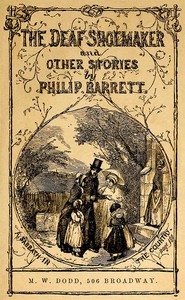
The Deaf Shoemaker: To Which Are Added Other Stories for the Young
Written by Philip Barrett
Chaptra reads alongside you — AI insights, chapter breakdowns and reader discussions for every book. Join free
About this book
Reading guide
Themes, characters and key ideas in The Deaf Shoemaker: To Which Are Added Other Stories for the Young, written by Chaptra AI.
- about 8 hours
- intermediate
- uplifting
- inspirational
- didactic
Philip Barrett's "The Deaf Shoemaker: To Which Are Added Other Stories for the Young" is a mid-19th-century collection of didactic tales designed to instill moral virtues in young readers. The compilation emphasizes themes of perseverance, unwavering faith, and robust character development through various narratives. Opening with the heroic account of John McDonough and his acts of rescue, the volume immediately establishes a focus on true heroism intertwined with a call to righteousness. This is followed by the inspiring story of a deaf shoemaker, whose life exemplifies resilience and the profound truth that one's worth is defined by character and contribution, not physical limitations. Together, these foundational stories set the tone for a collection rich in lessons on good conduct, kindness, and positive community influence.
“True heroism is not merely an act of courage, but a steadfast commitment to faith and righteousness, illuminating the path for all.”
Key themes
- Perseverance in Adversity
- This theme explores the importance of enduring and overcoming significant challenges through steadfast effort and resilience. It suggests that difficulties are not insurmountable but opportunities to demonstrate inner strength and commitment.
- Character Over Circumstance
- This theme asserts that an individual's true worth and potential are determined by their inner character, moral fiber, and contributions, rather than by external conditions, physical limitations, or societal status.
- Faith and Righteousness
- This theme underscores the belief that a life guided by faith and moral righteousness leads to true heroism and positive influence. It frames virtuous conduct as an expression of one's spiritual convictions and a path to a meaningful existence.
Worth discussing
What defines true heroism as depicted through John McDonough's actions, and how does it compare to modern interpretations of heroism?
Chapter-by-chapter breakdowns, character arcs and the full thematic analysis come with a free account.
Discussions
No one has started one yet
Questions this book opens up
No discussions yet
Be the first to start a discussion about this book!
Sign up to start the discussionReviews
No reviews yet
Be the first to review this book!