
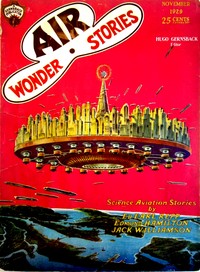
The crystal ray
Written by Raymond Z. (Raymond Zinke) Gallun
Chaptra reads alongside you — AI insights, chapter breakdowns and reader discussions for every book. Join free
About this book
Reading guide
Themes, characters and key ideas in The crystal ray, written by Chaptra AI.
- about 8 hours
- intermediate
- adventurous
- futuristic
- perilous
Raymond Z. Gallun's "The Crystal Ray" is a pioneering science fiction novel from the late 1920s, set in the futuristic war-torn year of 2141 A.D. The story follows two aviators, George Calhoun and Joseph Pelton, who, during leave, embark on an expedition to the ominous "Devil's Nest" in the Andes, where they uncover an ancient mystery and a unique crystal. This discovery, identified by Pelton as "andite," leads to the creation of a devastating weapon, the crystal ray, crucial in repelling an invading Asiatic air fleet. The narrative explores themes of scientific advancement, wartime heroism, and the profound personal cost of discovery, culminating in Pelton's ultimate sacrifice for humanity's survival.
“"The Andes held secrets far older than man, and some, far more dangerous."”
Key themes
- Scientific Advancement and Its Consequences
- This theme is central, exploring the power and potential danger of new discoveries. Pelton's finding of 'andite' and its development into the 'crystal ray' highlights how scientific breakthroughs can drastically alter the course of history, often with both beneficial and destructive applications. It questions the responsibility of the inventor.
- Heroism and Sacrifice
- The narrative culminates in Joseph Pelton's heroic sacrifice, underscoring the idea that great achievements, especially in wartime, often demand profound personal cost. It explores different forms of heroism: the bravery of exploration, the genius of invention, and the ultimate selflessness in defense of others.
- War and Human Resilience
- Set during a futuristic global war, the novel uses conflict as a primary driver for innovation and a test of human endurance. It showcases humanity's capacity to adapt, invent, and fight back against overwhelming odds, emphasizing ingenuity and determination in the face of existential threat.
Worth discussing
How does 'The Crystal Ray' reflect the anxieties and technological optimism of the late 1920s?
Chapter-by-chapter breakdowns, character arcs and the full thematic analysis come with a free account.
Discussions
No one has started one yet
Questions this book opens up
No discussions yet
Be the first to start a discussion about this book!
Sign up to start the discussionReviews
No reviews yet
Be the first to review this book!