
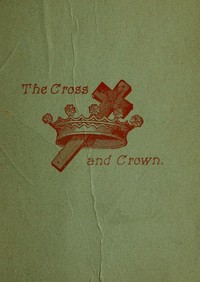
The Cross and Crown
Written by T. D. (Thomas Day) Curtis
Chaptra reads alongside you — AI insights, chapter breakdowns and reader discussions for every book. Join free
About this book
Reading guide
Themes, characters and key ideas in The Cross and Crown, written by Chaptra AI.
- about 8 hours
- advanced
- critical
- philosophical
- challenging
T. D. Curtis's "The Cross and Crown" is a late 19th-century philosophical poem that rigorously critiques traditional religious institutions and societal power structures. It posits that symbols like the cross and the crown, often revered as divine or authoritative, have historically been co-opted as instruments of oppression, ignorance, and tyranny. Curtis advocates for a radical shift from dogmatic adherence to a future guided by reason, justice, and universal brotherhood. The poem challenges readers to dismantle perceived spiritual and political shackles, urging a journey toward enlightenment and collective human liberation from institutional control and superstitious beliefs.
“The Cross, no emblem of a saving grace, but chains of ignorance across the human face.”
Key themes
- Critique of Religious Authority
- Curtis relentlessly critiques the institutional church and its symbols, particularly the cross, arguing that they have been perverted from their original spiritual intent into tools of control, ignorance, and cruelty. He questions the moral and ethical foundations of organized religion when it aligns with power structures.
- Critique of Political Tyranny
- The poem extends its critique to secular power structures, represented by the crown. Curtis argues that political authority, especially when unchecked or allied with religious institutions, becomes a tool of exploitation and subjugation, manipulating the masses for its own benefit.
- The Power of Reason and Enlightenment
- Central to Curtis's solution is the elevation of human reason as the primary tool for liberation. He advocates for a societal shift away from blind faith and superstitious beliefs towards an embrace of rational thought and critical inquiry as the path to true understanding and freedom.
Worth discussing
How does Curtis redefine the traditional symbols of the cross and the crown, and what is the impact of this reinterpretation?
Chapter-by-chapter breakdowns, character arcs and the full thematic analysis come with a free account.
Discussions
No one has started one yet
Questions this book opens up
No discussions yet
Be the first to start a discussion about this book!
Sign up to start the discussionReviews
No reviews yet
Be the first to review this book!