
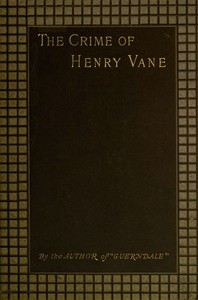
The Crime of Henry Vane: A Study with a Moral
Written by Frederic Jesup Stimson
Chaptra reads alongside you — AI insights, chapter breakdowns and reader discussions for every book. Join free
About this book
Read it with a club
Small groups reading the same books and talking as they go.


News
- 4 members
- 1,813 discussions
- Active Sep 11
Read The Crime of Henry Vane: A Study with a Moral alongside people who are reading it too.
Also here: News Bulletin, Just Joking....
Chaptra Prime — paid clubs, every club feature, and unlimited reading support, for $5 a month or $60 once.
See PrimeReading guide
Themes, characters and key ideas in The Crime of Henry Vane: A Study with a Moral, written by Chaptra AI.
- about 8 hours
- intermediate
- melancholic
- reflective
- moralistic
Frederic Jesup Stimson's "The Crime of Henry Vane: A Study with a Moral" is a late 19th-century fictional narrative exploring the moral and psychological journey of its titular character. Initially introduced through the societal condemnation of an anonymous group, Henry Vane is a young New Yorker grappling with the profound impact of personal tragedies, including a significant romantic rejection, that shatter his previously flippant demeanor. The novel delves into themes of societal judgment, the weight of individual actions, and the potential for redemption amidst personal suffering and isolation. It charts Vane's internal struggles and the external events that promise to reshape his character and lead him towards a deeper understanding of life's moral complexities.
“No specific quotes available from the provided summary. The text would likely feature introspective reflections by Henry Vane and pronouncements of societal judgment by others.”
Key themes
- Societal Judgment vs. Individual Truth
- This theme is central, introduced by the opening scene where a group of men condemn Henry Vane without understanding his backstory. It explores the superficiality and often harshness of public opinion versus the complex, nuanced reality of an individual's life and struggles.
- Moral Responsibility and Consequence
- Reflected directly in the subtitle 'A Study with a Moral,' this theme examines the repercussions of one's actions and choices. It delves into how Vane's initial 'flippant disposition' and subsequent 'crime' lead to a period of suffering and introspection, prompting a re-evaluation of his moral compass.
- Redemption and Personal Growth
- Despite his initial condemnation and personal tragedies, the narrative promises 'eventual redemption' for Henry Vane. This theme explores the transformative power of suffering, self-reflection, and the possibility of moral rehabilitation and character development even after significant personal failings.
Worth discussing
How does the novel's opening, presenting societal judgment before individual backstory, shape the reader's initial perception of Henry Vane?
Chapter-by-chapter breakdowns, character arcs and the full thematic analysis come with a free account.
Discussions
No one has started one yet
Questions this book opens up
No discussions yet
Be the first to start a discussion about this book!
Sign up to start the discussionReviews
No reviews yet
Be the first to review this book!