
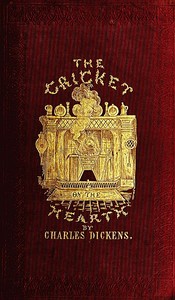
The Cricket on the Hearth: A Fairy Tale of Home
Written by Charles Dickens
Chaptra reads alongside you — AI insights, chapter breakdowns and reader discussions for every book. Join free
About this book
Reading guide
Themes, characters and key ideas in The Cricket on the Hearth: A Fairy Tale of Home, written by Chaptra AI.
- about 4 hours
- intermediate
- uplifting
- heartwarming
- sentimental
Charles Dickens's novella, "The Cricket on the Hearth," is a heartwarming 'fairy tale of home' that explores themes of love, trust, and domestic bliss amidst a backdrop of misunderstanding and potential betrayal. Centered on the devoted couple John and Dot Peerybingle, the story sees their harmonious home threatened by the arrival of a mysterious stranger and the cynical machinations of the toy manufacturer Tackleton. Through a series of revelations and a test of faith, the narrative ultimately champions the enduring power of the hearth as a symbol of comfort, forgiveness, and the simple joys of family life. It combines whimsical personification with a deeply sentimental portrayal of Victorian domesticity.
“"There are not many people, I hope, who, after living a long life, would change their love for the world's whole treasure."”
Key themes
- The Sanctity of Home and Hearth
- This is the central theme, explicitly stated in the title. Dickens portrays the home, particularly the hearth, as a sacred sanctuary of love, comfort, and domestic bliss. It's a place where happiness thrives despite external hardships, offering refuge and stability.
- Illusion vs. Reality and Perception
- The novella deeply explores how perception shapes reality, particularly through the characters of Caleb and Bertha Plummer. Caleb creates elaborate illusions to shield his blind daughter from their poverty and the harshness of their employer, showing that sometimes 'truth' can be less kind than a well-intended fabrication. This theme also touches on John's initial misinterpretation of Dot's actions.
- Love, Trust, and Fidelity
- At the heart of the story is the examination of marital love and the crucial role of trust. John's faith in Dot is severely tested by circumstantial evidence, leading to a profound internal struggle. The resolution reaffirms that true love is built on unwavering trust and forgiveness, capable of overcoming doubt and misunderstanding.
Worth discussing
How does Dickens use personification of inanimate objects (the cricket, the kettle) to enhance the story's 'fairy tale' quality and thematic messages?
Chapter-by-chapter breakdowns, character arcs and the full thematic analysis come with a free account.
Discussions
No one has started one yet
Questions this book opens up
No discussions yet
Be the first to start a discussion about this book!
Sign up to start the discussionReviews
No reviews yet
Be the first to review this book!