
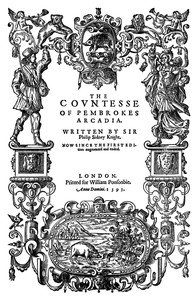
The Countess of Pembroke's Arcadia
Written by Philip Sidney
Chaptra reads alongside you — AI insights, chapter breakdowns and reader discussions for every book. Join free
About this book
Reading guide
Themes, characters and key ideas in The Countess of Pembroke's Arcadia, written by Chaptra AI.
- about 25 hours
- advanced
- romantic
- melancholy
- chivalric
Sir Philip Sidney's 'The Countess of Pembroke's Arcadia' is a monumental Elizabethan prose romance, blending epic adventure with pastoral introspection. It chronicles the intertwined fates of two noble princes, Musidorus and Pyrocles, who, separated by shipwreck, find themselves in the idyllic yet politically troubled land of Arcadia. Driven by passionate love, they adopt elaborate disguises, leading to a complex web of romantic entanglements, moral dilemmas, and political upheaval within the Arcadian royal family. The work explores profound themes of love, virtue, duty, and the nature of governance, all rendered through Sidney's highly ornate and influential prose style. Though left unfinished in its revised 'New Arcadia' form, it stands as a foundational text in English literary history, showcasing ambitious narrative experimentation and philosophical depth.
“They are slaves who dare not choose but hear the sound of the chains.”
Key themes
- Love and Passion
- Love, in its various forms, is the central driving force of 'Arcadia.' Sidney explores courtly love, passionate and often illicit desire, filial love, and the complex interplay between physical attraction and spiritual affection. The narrative vividly illustrates how love can ennoble or corrupt, inspire heroism or lead to moral downfall, and how it often conflicts with reason and duty.
- Virtue and Chivalry
- Sidney, a quintessential Renaissance courtier, champions the ideals of virtue and chivalry. The princes, Musidorus and Pyrocles, embody heroic conduct, courage, and loyalty, yet their pursuit of love often tests their moral boundaries. The narrative constantly questions what constitutes true virtue, particularly when faced with powerful passions, political corruption, and the demands of honor versus desire.
- Appearance vs. Reality / Disguise
- Disguise is a central plot device and a profound thematic element in 'Arcadia.' Pyrocles and Musidorus adopt false identities, leading to mistaken perceptions, humorous situations, and serious moral quandaries. This theme explores the nature of identity, the deceptive power of outward show, and how appearances can obscure or reveal deeper truths about character and motivation.
Worth discussing
How do the various disguises function both as plot devices and as thematic explorations of identity and deception?
Chapter-by-chapter breakdowns, character arcs and the full thematic analysis come with a free account.
Discussions
No one has started one yet
Questions this book opens up
No discussions yet
Be the first to start a discussion about this book!
Sign up to start the discussionReviews
No reviews yet
Be the first to review this book!