
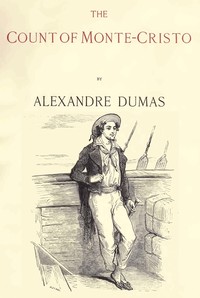
The Count of Monte Cristo
Written by Alexandre Dumas,Auguste Maquet
Chaptra reads alongside you — AI insights, chapter breakdowns and reader discussions for every book. Join free
About this book
Reading guide
Themes, characters and key ideas in The Count of Monte Cristo, written by Chaptra AI.
- about 35 hours
- advanced
- epic
- vengeful
- dramatic
Alexandre Dumas's "The Count of Monte Cristo" is an epic tale of betrayal, revenge, and ultimate redemption. It follows the dramatic transformation of Edmond Dantès, an innocent young sailor, who is unjustly imprisoned for fourteen years in the Château d'If due to the jealousy and machinations of his rivals. While incarcerated, he befriends an old abbé who educates him and reveals the location of a vast treasure. Upon his miraculous escape, Dantès reinvents himself as the wealthy, enigmatic Count of Monte Cristo, meticulously orchestrating a grand scheme of retribution against those who wronged him, only to confront the moral complexities and profound consequences of his actions.
“"All human wisdom is contained in these two words: Wait and Hope."”
Key themes
- Justice vs. Revenge
- The central theme of the novel explores the fine line between righteous justice and personal vengeance. Initially, Dantès's quest is driven by a desire for retribution against those who wronged him. However, as the Count of Monte Cristo, he grapples with the moral complexities and unintended consequences of his god-like orchestration of fate, questioning whether he is serving true justice or merely satisfying his own thirst for revenge.
- Redemption and Forgiveness
- While revenge is a driving force, the novel ultimately moves towards themes of redemption and the possibility of forgiveness. Dantès, after inflicting immense suffering, realizes the limitations of human vengeance and seeks a path towards a more benevolent existence. This is seen in his acts of mercy and his eventual ability to forgive himself and others, finding peace beyond retribution.
- Identity and Transformation
- Edmond Dantès undergoes one of literature's most dramatic transformations. From a joyous sailor, he becomes a despairing prisoner, then a learned scholar, and finally the omniscient Count of Monte Cristo. This theme explores how identity is shaped by experience, suffering, and choice, and the profound psychological impact of assuming a new persona, highlighting the detachment and power that come with shedding one's former self.
Worth discussing
Is the Count of Monte Cristo's revenge ultimately justified? What are the moral implications of his actions?
Chapter-by-chapter breakdowns, character arcs and the full thematic analysis come with a free account.
Discussions
No one has started one yet
Questions this book opens up
No discussions yet
Be the first to start a discussion about this book!
Sign up to start the discussionReviews
No reviews yet
Be the first to review this book!